
janrakshak

Categories
About Jan Rakshak Emergency Response Systems Features For Government Inspiring Stories

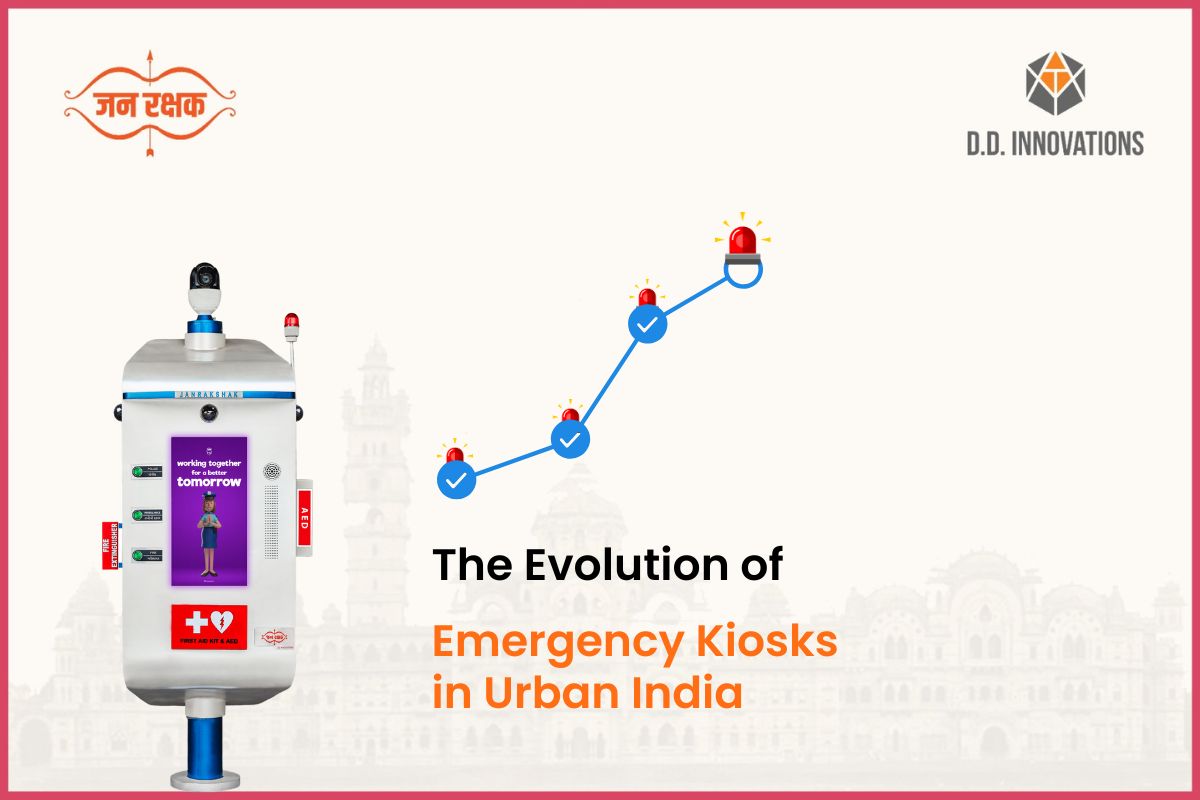
The Evolution of Emergency Kiosks in Urban India

Emergency kiosks in India are redefining how citizens access help during critical moments. As cities grow and infrastructure expands, public safety systems must evolve to keep pace with the speed and scale of urban life. This shift has led to the rise of smart emergency kiosks, a powerful innovation transforming safety across highways, campuses, parks, and public spaces.

Emergency kiosks are more than devices. They are real-time lifelines that connect citizens to help within seconds.

How Emergency Kiosks in India Have Evolved

  1. From manual booths to digital safety points

Older help systems depended completely on human availability. Police booths or emergency telephones often remained unused or inaccessible when citizens needed them most.
Digital emergency kiosks changed this reality. By offering direct connectivity to control rooms, they removed delay, improved coordination, and ensured round-the-clock accessibility.

  1. The impact of the Smart City Mission

The government’s Smart Cities Mission accelerated the shift toward connected safety systems. Emergency kiosks soon became IoT-enabled, equipped with SOS buttons, CCTV cameras, GPS tracking, sirens, and automated alert systems.
These upgrades created a reliable communication bridge between citizens and authorities, raising India’s safety standards to global levels.

  1. Designed for every citizen

Modern kiosks are built with inclusivity in mind. Large buttons, clear instructions, voice guidance, and multilingual support make them accessible for people of all ages and abilities.
Built with rugged materials, solar-powered options, and vandal-resistant structures, they perform efficiently across Indian climates and terrain.

Innovative companies like Jan Rakshak are playing a key role in developing advanced kiosks suitable for high-traffic highways, busy city streets, tourist areas, and remote locations.

  1. Turning real-time data into smarter decisions

Today’s kiosks not only respond to emergencies but also collect valuable insights on incident patterns, high-risk zones, and response times.
This data helps authorities deploy teams more effectively, anticipate risks, and plan proactive safety measures that improve city management and reduce long-term emergencies.

The Future of Emergency Kiosks in India

The next generation of kiosks will be intelligent, connected, and fully automated. AI assistance, integrated apps, two-way audio, and live analytics will make them complete safety hubs across cities and towns. These features will help citizens access help more quickly and allow administrators to manage public safety more efficiently.

Building Safer Cities with Jan Rakshak

The rise of emergency kiosks reflects India’s broader movement toward smarter, citizen-first governance. These kiosks stand as silent protectors across public spaces, delivering help exactly when it is needed.

At Jan Rakshak, we are committed to strengthening this safety ecosystem. Our intelligent, durable, and responsive emergency kiosks are designed to support communities, save lives, and build safer, better-connected cities across India.
Categories
Public safety and security device in India

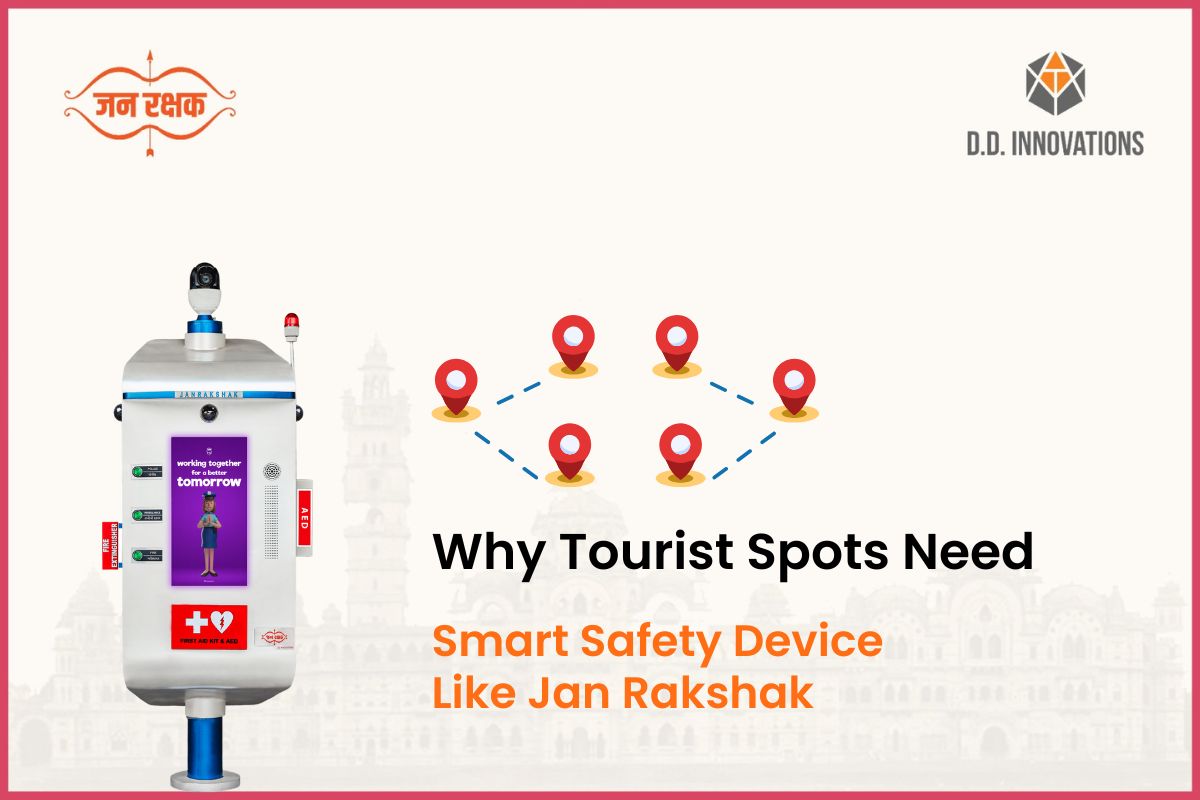
Why Tourist Spots Need Smart Safety Device Like Jan Rakshak

India is home to countless vibrant tourist destinations, from iconic heritage monuments and bustling marketplaces to serene temples and scenic parks. Every day, thousands of people from across the world visit these places to explore the country’s culture and beauty. But with the growing footfall comes a greater responsibility: ensuring safety, especially during emergencies.

In such high-traffic and high-risk environments, a smart solution like Jan Rakshak becomes not just helpful but essential.

The Reality of Public Spaces

Tourist places are not just for sightseeing or photography. They are dynamic public zones that come with unique safety challenges. Unexpected incidents such as medical emergencies, theft, harassment, or even fire hazards can escalate quickly if immediate help is unavailable.

Unlike shopping malls or airports, many public tourist areas still lack organized systems for real-time emergency support. This is where Jan Rakshak fits perfectly. It acts as a user-friendly safety point in the middle of the crowd.

Designed for Everyone

Jan Rakshak is designed to be extremely simple to use. It requires no app download, no internet, and no special training. Anyone, whether a child, a senior citizen, or a tourist, can walk up and press a button for help.

The device includes three emergency buttons:

  • Police
  • Ambulance
  • Fire

Additional features include:

  • CCTV camera for live monitoring
  • Public announcement speaker
  • AED machine for cardiac emergencies
  • First aid kit and fire extinguisher
  • Digital display for public awareness messaging

This all-in-one unit ensures that help is never out of reach, even in crowded or remote areas.

Why Tourists Need Extra Protection

Tourists are often unaware of local emergency contacts and may not understand the language or area. In a stressful moment, this lack of familiarity can be dangerous.

Jan Rakshak acts as a public safety anchor in such situations. With visual emergency buttons, loud alerts, and simple instructions, it helps anyone take action without delay. For tourists who feel lost, unsafe, or unwell, it is a trusted point to reach out for help.

Moreover, the very presence of Jan Rakshak acts as a deterrent. It can reduce instances of harassment or misconduct, especially in open spaces with little supervision.

A Step Toward Smarter Cities

Jan Rakshak is not just a device. It connects to a centralized command control dashboard that monitors real-time incidents and camera footage. For cities and municipalities focusing on tourism and safety, this brings in a new level of visibility and responsiveness.

While most people think of safety as needing more guards or police, smart cities are turning toward technology. Jan Rakshak is an innovative example of a public safety and security device in India that works without needing a dedicated building or on-site personnel.

It is modular, solar-powered, weatherproof, and works reliably in outdoor environments. This makes it ideal for roadsides, temple entrances, parks, and historical sites.

Building Trust with Tourists

Tourism flourishes when visitors feel safe. Whether it is a family outing or a solo traveler’s exploration, a visible emergency device builds confidence. Jan Rakshak silently sends a message: “You are protected here.”

That sense of trust improves visitor experience and strengthens the image of the location. Cities that install such systems show leadership in safety and public service.

They also help set a national standard for public safety and security device in India, creating infrastructure that is not just functional but also reassuring.

Conclusion

Tourist places are our pride. They reflect culture, heritage, and community. Devices like Jan Rakshak ensure that these places remain safe for everyone. They provide fast emergency access, encourage responsible public behavior, and support authorities with real-time data.

By installing smart, accessible devices like Jan Rakshak, we not only enhance public safety but also protect the value and reputation of our tourism destinations.

Safety should never be an afterthought. With Jan Rakshak, it becomes a visible, reliable part of the journey.