janrakshak

Categories
About Jan Rakshak Emergency Response Systems Features For Government Inspiring Stories Public Safety Public safety and security device in India

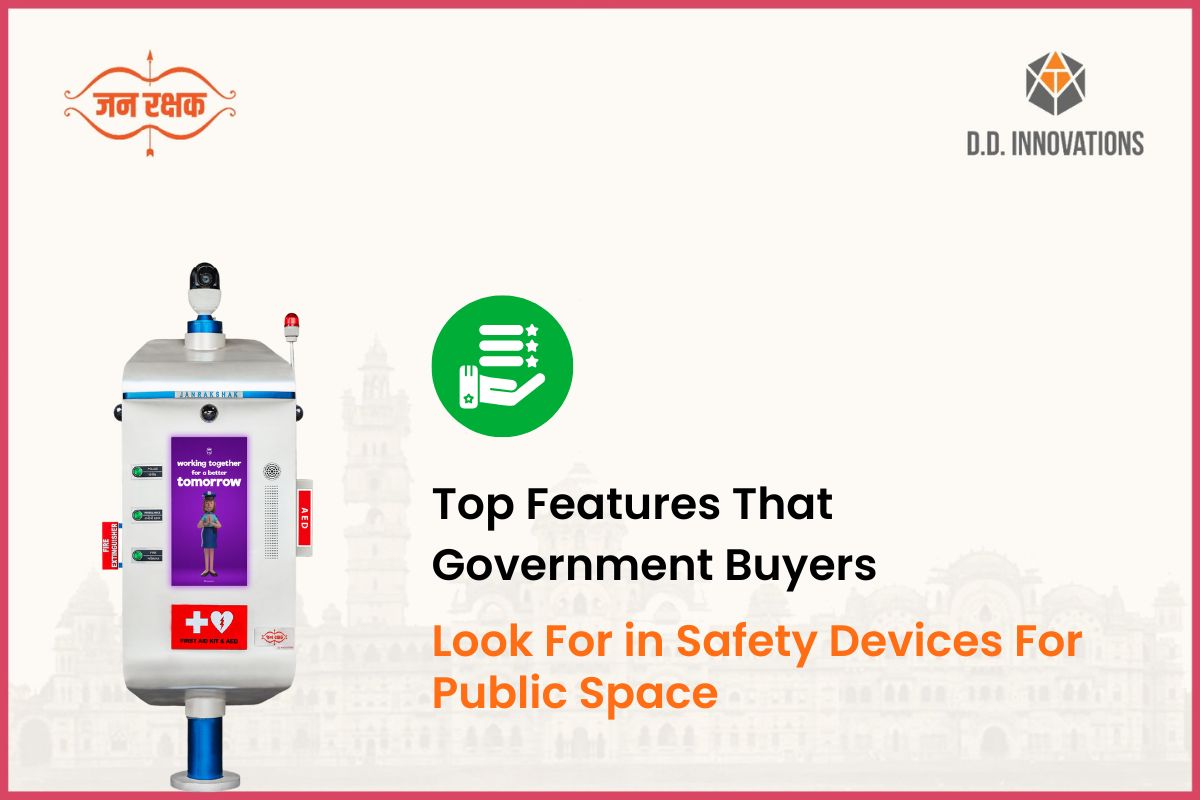
 Top Features That Government Buyers Look For in Safety Devices For Public Space

Public safety is a top priority for every government authority, whether at city intersections, highways, or tourist destinations. Investing in reliable safety devices for public spaces is not just about compliance; it’s about building safer, smarter, and more responsive communities. When government departments evaluate such technologies, they focus on innovation, reliability, and measurable impact on citizen safety.

Below are the top features that most government buyers consider essential when choosing safety devices for their communities.

1. Instant Communication During Emergencies

In an emergency, every second counts. Devices equipped with one-touch emergency alerts, panic buttons, and two-way communication channels are highly preferred. They enable citizens to instantly connect with control rooms, police stations, or medical response teams, ensuring help reaches faster and lives are saved.

2. Durability and Weather Resistance

Public spaces are constantly exposed to harsh conditions, including heat, rain, dust, and continuous public use. Government agencies seek equipment built with industrial-grade materials, anti-corrosion coatings, and vandal-resistant construction to ensure long-term reliability and functionality.

Safety installations, such as Jan Rakshak kiosks, are engineered to withstand extreme outdoor conditions while maintaining year-round operational efficiency.

3. Power Autonomy, Connectivity, and Smart Energy Management

Governments increasingly prefer self-sustaining systems that operate seamlessly, even during power outages. Solar-powered or battery-backed devices ensure uninterrupted functionality in both urban and off-grid areas. Connectivity through GSM, 4G/5G, or IoT networks enables real-time data sharing with central monitoring systems, an essential feature for smart-city integration.

Energy-efficient components and low-maintenance design further reduce operational costs for municipalities and local bodies, supporting sustainability goals.

4. Accessibility and Inclusiveness

A safety device must serve every citizen, regardless of age, language, or ability. Multilingual voice prompts, tactile buttons, and clear visual indicators make devices user-friendly and inclusive. Accessibility is not just a feature; it reflects a commitment to equality and community care.

5. Integration With Existing Infrastructure

Governments prefer devices that integrate smoothly with existing city systems. Compatibility with CCTV surveillance, emergency helplines, and disaster-management networks ensures unified coordination during critical events. Seamless integration also allows faster deployment and reduces infrastructure costs.

6. Reliable Support and Maintenance

Beyond installation, continuous performance is key. Devices backed by reliable after-sales service, periodic software updates, and quick technical support are highly valued. Long-term maintenance contracts and warranty coverage build trust and ensure consistent uptime in public infrastructure.

Empowering Safer Communities With Smart Innovation

As India’s cities and towns transition to smarter, more connected infrastructure, the demand for intelligent, durable, and responsive safety systems continues to increase.

At Jan Rakshak, we design advanced safety devices for public spaces that combine emergency response, rugged construction, and intelligent monitoring, ensuring every citizen feels protected wherever they are. From highways to urban hubs, Jan Rakshak kiosks stand as silent guardians of public safety.

Categories
About Jan Rakshak Emergency Response Systems Features For Government Inspiring Stories

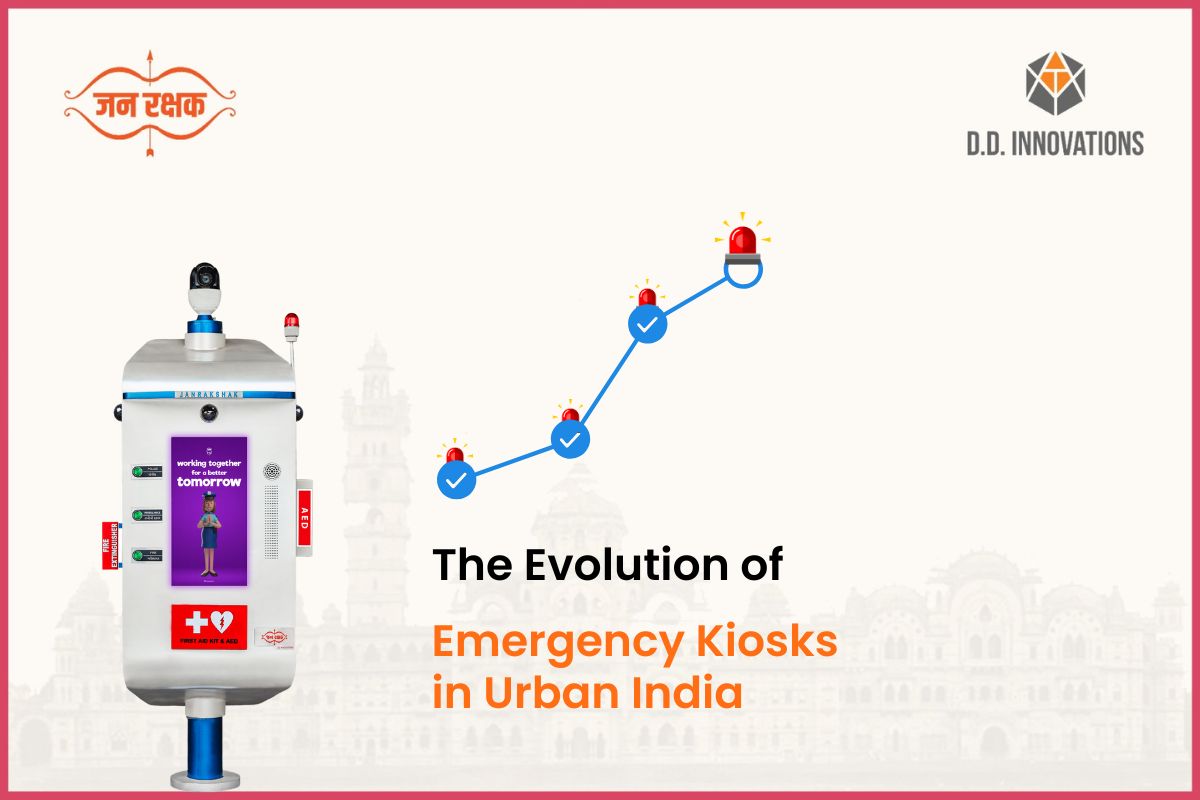
The Evolution of Emergency Kiosks in Urban India

Emergency kiosks in India are redefining how citizens access help during critical moments. As cities grow and infrastructure expands, public safety systems must evolve to keep pace with the speed and scale of urban life. This shift has led to the rise of smart emergency kiosks, a powerful innovation transforming safety across highways, campuses, parks, and public spaces.

Emergency kiosks are more than devices. They are real-time lifelines that connect citizens to help within seconds.

How Emergency Kiosks in India Have Evolved

  1. From manual booths to digital safety points

Older help systems depended completely on human availability. Police booths or emergency telephones often remained unused or inaccessible when citizens needed them most.
Digital emergency kiosks changed this reality. By offering direct connectivity to control rooms, they removed delay, improved coordination, and ensured round-the-clock accessibility.

  1. The impact of the Smart City Mission

The government’s Smart Cities Mission accelerated the shift toward connected safety systems. Emergency kiosks soon became IoT-enabled, equipped with SOS buttons, CCTV cameras, GPS tracking, sirens, and automated alert systems.
These upgrades created a reliable communication bridge between citizens and authorities, raising India’s safety standards to global levels.

  1. Designed for every citizen

Modern kiosks are built with inclusivity in mind. Large buttons, clear instructions, voice guidance, and multilingual support make them accessible for people of all ages and abilities.
Built with rugged materials, solar-powered options, and vandal-resistant structures, they perform efficiently across Indian climates and terrain.

Innovative companies like Jan Rakshak are playing a key role in developing advanced kiosks suitable for high-traffic highways, busy city streets, tourist areas, and remote locations.

  1. Turning real-time data into smarter decisions

Today’s kiosks not only respond to emergencies but also collect valuable insights on incident patterns, high-risk zones, and response times.
This data helps authorities deploy teams more effectively, anticipate risks, and plan proactive safety measures that improve city management and reduce long-term emergencies.

The Future of Emergency Kiosks in India

The next generation of kiosks will be intelligent, connected, and fully automated. AI assistance, integrated apps, two-way audio, and live analytics will make them complete safety hubs across cities and towns. These features will help citizens access help more quickly and allow administrators to manage public safety more efficiently.

Building Safer Cities with Jan Rakshak

The rise of emergency kiosks reflects India’s broader movement toward smarter, citizen-first governance. These kiosks stand as silent protectors across public spaces, delivering help exactly when it is needed.

At Jan Rakshak, we are committed to strengthening this safety ecosystem. Our intelligent, durable, and responsive emergency kiosks are designed to support communities, save lives, and build safer, better-connected cities across India.

Categories
About Jan Rakshak AED (Automated External Defibrillator) Emergency Response Systems Features For Government Inspiring Stories

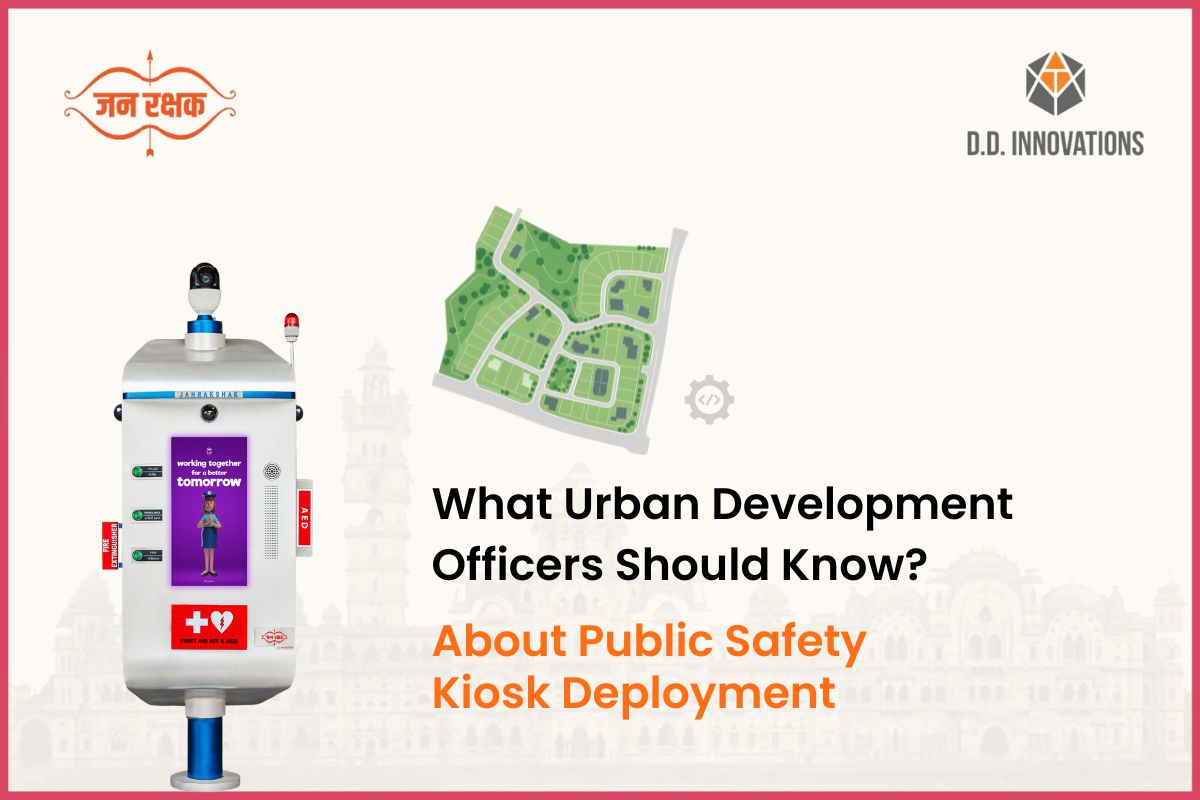
What Urban Development Officers Should Know About Public Safety Kiosk Deployment

As cities in India continue to expand rapidly, the responsibility to ensure citizen safety has never been greater. From crowded junctions and public parks to transport hubs and educational zones, every urban space must now be designed not only for efficiency but also for safety.
This is where smart, tech-driven solutions like a Public Safety Kiosk come into play, bridging the critical gap between citizens and emergency responders.

For urban development officers, understanding how to plan, deploy, and integrate such kiosks into the city’s infrastructure is becoming a key component of modern governance.

The Evolving Need for On-Ground Safety Infrastructure

According to data from the Ministry of Road Transport and Highways, more than 4 lakh road accidents occur in India annually. In many cases, victims don’t receive timely help due to the lack of nearby emergency systems.
Urban planners are now realizing that while technology powers cities, it should also protect them.
A well-placed Public Safety Kiosk can provide immediate access to police, ambulance, and fire services, helping reduce emergency response time significantly.

The focus of city planning must now shift from post-incident management to proactive safety design, embedding public safety devices directly into the civic ecosystem.

Key Factors Urban Development Officers Must Consider

Before deploying emergency kiosks, urban officers and contractors need to evaluate several important factors to ensure long-term impact and operational success.

1. Location Priority

Kiosks should be placed in high-footfall and high-risk areas such as:

  • Bus terminals and metro stations
  • College and school entrances
  • Religious places and public parks
  • Major intersections and highway rest zones
  • Tourist spots and marketplaces

Strategic placement ensures that help is never far away when someone needs it most.

2. Connectivity and Integration

A Public Safety Kiosk should be integrated with the city’s command center for real-time communication.

This enables live monitoring, two-way audio-visual interaction, and automatic alerts to nearby emergency services.

Ensuring reliable power backup and network connectivity is essential for uninterrupted functioning.

3. Maintenance and Responsiveness

Once installed, the kiosk should not become a forgotten unit. Regular maintenance checks, component upgrades, and monitoring logs must be part of the city’s standard operating plan. Periodic audits help ensure that the system is always functional when it truly matters.

4. Accessibility for All

The design must be intuitive and usable by people of all ages and abilities, from children to senior citizens. Features like emergency buttons, clear visual indicators, and voice assistance make the system inclusive.

5. Community Awareness

Even the most advanced system loses its purpose if people are unaware of how to use it. City officers must collaborate with local schools, NGOs, and residents’ associations to educate the public about kiosk functionality and its benefits.

How Smart Cities Can Leverage Safety Kiosks

With initiatives like Smart City Mission, Indian cities are evolving into digital ecosystems. Integrating safety kiosks into these frameworks can strengthen emergency preparedness while demonstrating transparency and technological progress.

By aligning kiosk deployment with CSR initiatives and public-private partnerships, cities can optimize budgets and accelerate implementation timelines.

Why Jan Rakshak Leads the Way

Among the emerging solutions, Jan Rakshak stands out as a practical and reliable safety innovation for urban environments. Designed and manufactured in India, it combines advanced emergency tools with a user-friendly interface.

Each unit includes:

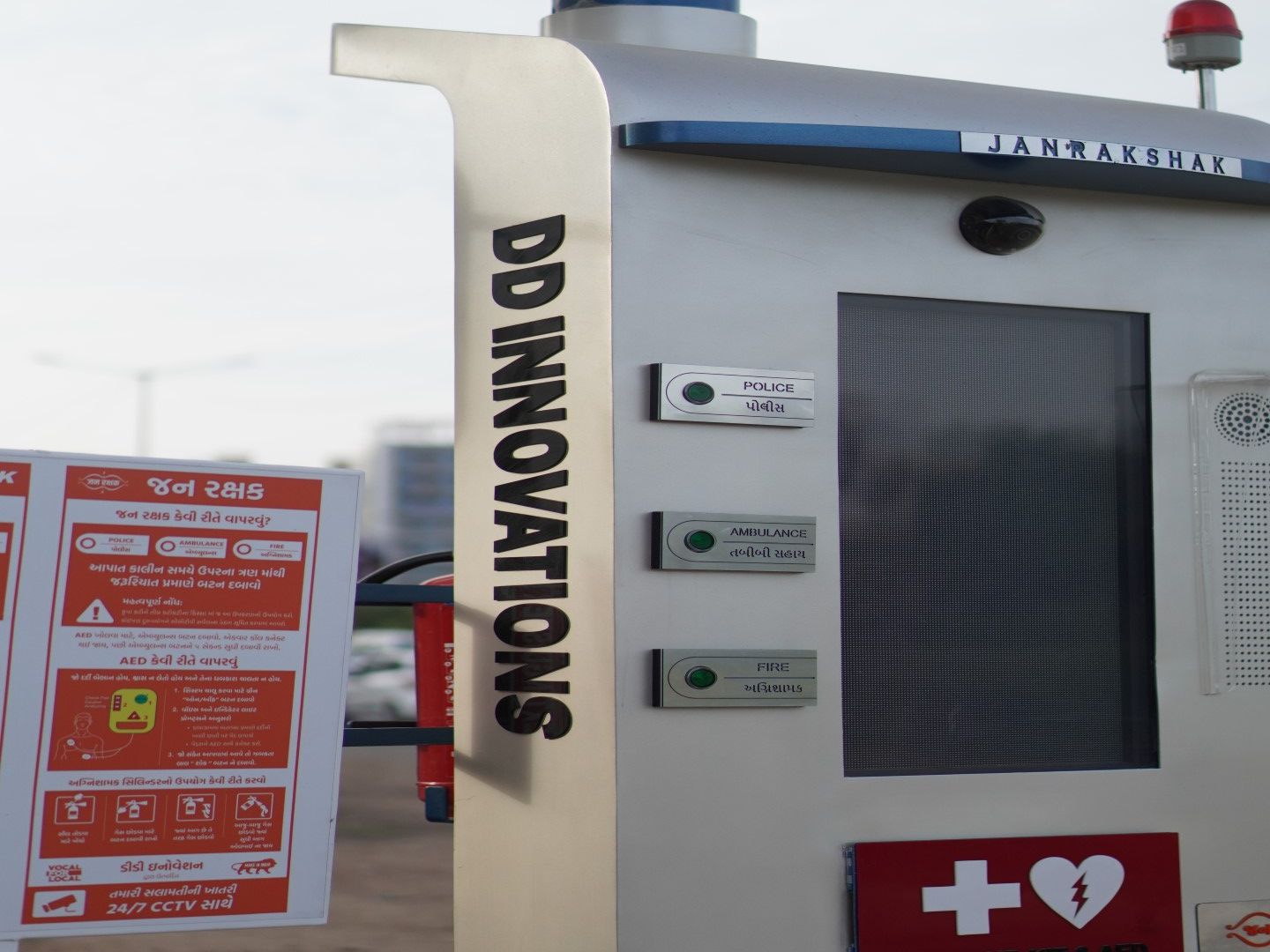
  • Direct alert buttons for police, ambulance, and fire departments
  • Live CCTV and command center connectivity
  • AED Box, first aid kit, and fire extinguisher
  • Public announcement speaker and digital display for awareness messages

Deployed in high-footfall zones across Gujarat, Jan Rakshak ensures that help is always just one press away, turning urban safety from a plan into a promise.

Final Thought

As India’s cities continue to modernize, safety must evolve alongside infrastructure. For urban development officers, integrating devices like Jan Rakshak is not just about compliance, it’s about creating a future where no citizen feels helpless in an emergency.

Because true progress is measured not by how fast a city grows, but by how safely its people live.

Categories
About Jan Rakshak AED (Automated External Defibrillator) Emergency Response Systems Features For Government Inspiring Stories Introduction

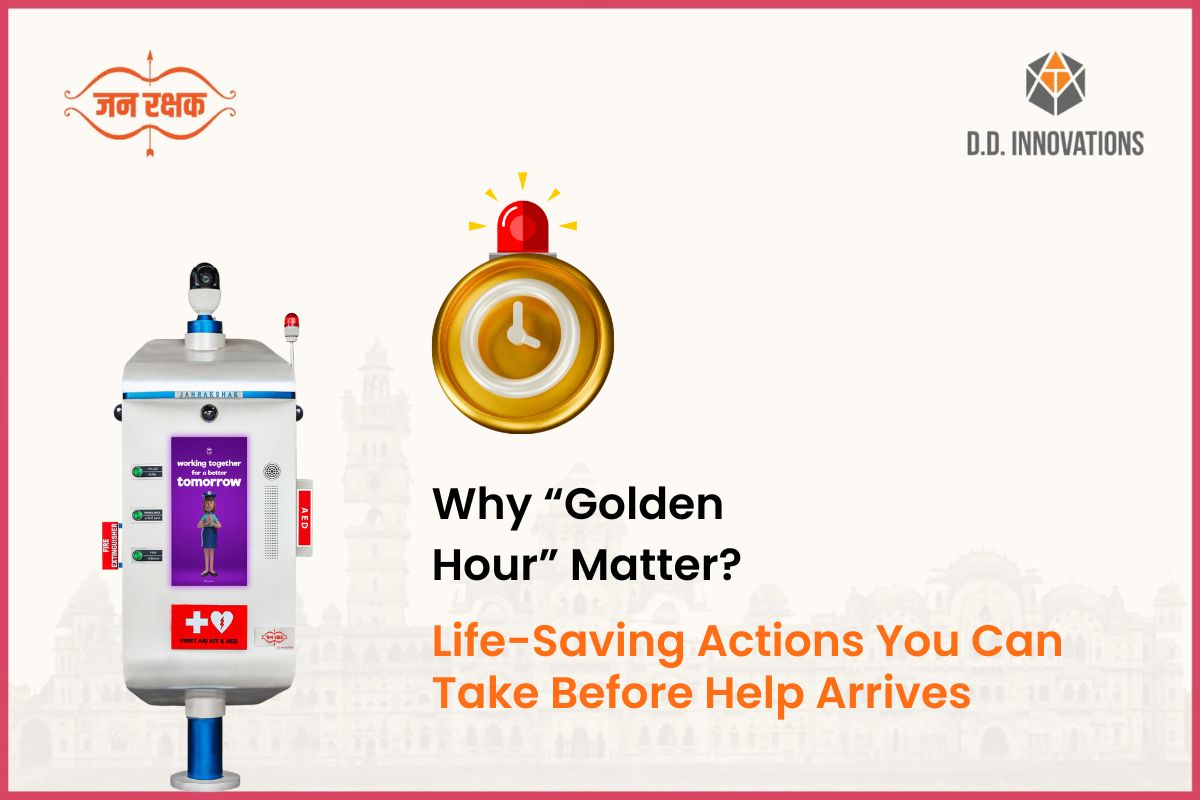
 Why “Golden Hour” Matter: Life-Saving Actions You Can Take Before Help Arrives

When an emergency strikes, be it a road accident, a cardiac arrest, or a public altercation, the first few minutes are the most critical. Medical professionals refer to these as the “Golden Hour” because they often determine the outcome between life and death. Unfortunately, most people panic or freeze, unsure of what to do during this crucial window. But with the right awareness and tools, these precious minutes can be used to stabilise the victim, alert help, and potentially save a life.

Understanding the Golden Hour

The concept of “Golden Hour” stems from trauma care, where timely intervention directly influences recovery outcomes. For example:

  • In the case of cardiac arrest, CPR within the first 3 – 5 minutes can double or triple a person’s chance of survival.
  • In road accidents, victims may suffer from internal bleeding. Delays in response can turn a manageable injury into a fatal one.
  • In fire or chemical exposure, the difference of a minute can mean preventing long-term damage to the lungs, skin, or eyes.

Time is not just a number in emergencies. It’s a decision-maker.

What You Can Do in the Golden Hour

While most people aren’t doctors, everyone can take steps to assist in a crisis. Here’s what you should keep in mind:

1. Ensure Safety First

Before rushing to help, make sure the area is safe for you and others. Check for fire, traffic, or any immediate danger.

2. Call for Help Immediately

Do not assume someone else is calling. Dial your local emergency number and provide the precise location. If a public emergency service device is nearby, use it to alert authorities instantly.

3. Don’t Crowd the Victim

This is a major issue in India. Crowds delay help and cause panic. Make space. Encourage others to stay calm and keep the area open for responders.

4. Provide Basic First Aid

  • If trained, begin CPR or apply pressure to wounds.
  • If not trained, speak calmly to the victim and keep them conscious.
  • Use any nearby public emergency service device that may provide medical kits, AED, or instructions.

5. Stay Calm and Take Control

Leadership matters. Take charge, delegate tasks, and give clear instructions. Even simple tasks like directing traffic or guiding responders to the victim can make a huge impact.

The Role of Technology in Emergency Situations

India is beginning to see the integration of tech-driven solutions in public safety. Whether it’s a fire, a medical emergency, or a public threat, quick access to aid is vital. A public emergency service device, equipped with CCTV, Emergency buttons, voice communication, an AED kit, and emergency alerts, can fill the gap between incident and intervention.

This kind of infrastructure reduces reliance on bystanders and ensures real-time communication with the nearest support systems.

Why Jan Rakshak is the Need of the Hour

In a country where emergency response time can vary widely, Jan Rakshak offers a practical and scalable solution. Installed in high-footfall and vulnerable areas like highways, college zones, temple roads, and busy junctions, Jan Rakshak acts as an on-ground safety companion.

Each unit includes:

  • One-touch emergency alert
  • Real-time camera surveillance
  • Voice assistance
  • AED + First Aid kit
  • Fire extinguisher and safety lights
  • Direct police and ambulance connection

It’s more than a device. It’s a promise that help is always near, even before the ambulance arrives.

Final Thoughts

Every second counts, and every action matters. The next time you witness an emergency, remember, you don’t have to be a hero. You just have to be prepared. Learn the basics, stay calm, and support systems that bring safety closer to every citizen.

Because saving lives doesn’t always require a cape. Sometimes, it just needs the right response during the Golden Hour.

Want to see how Jan Rakshak is redefining safety in public spaces?

Check real-life case studies and discover how this smart safety kiosk is bridging the emergency response gap across India.

Categories
About Jan Rakshak Features

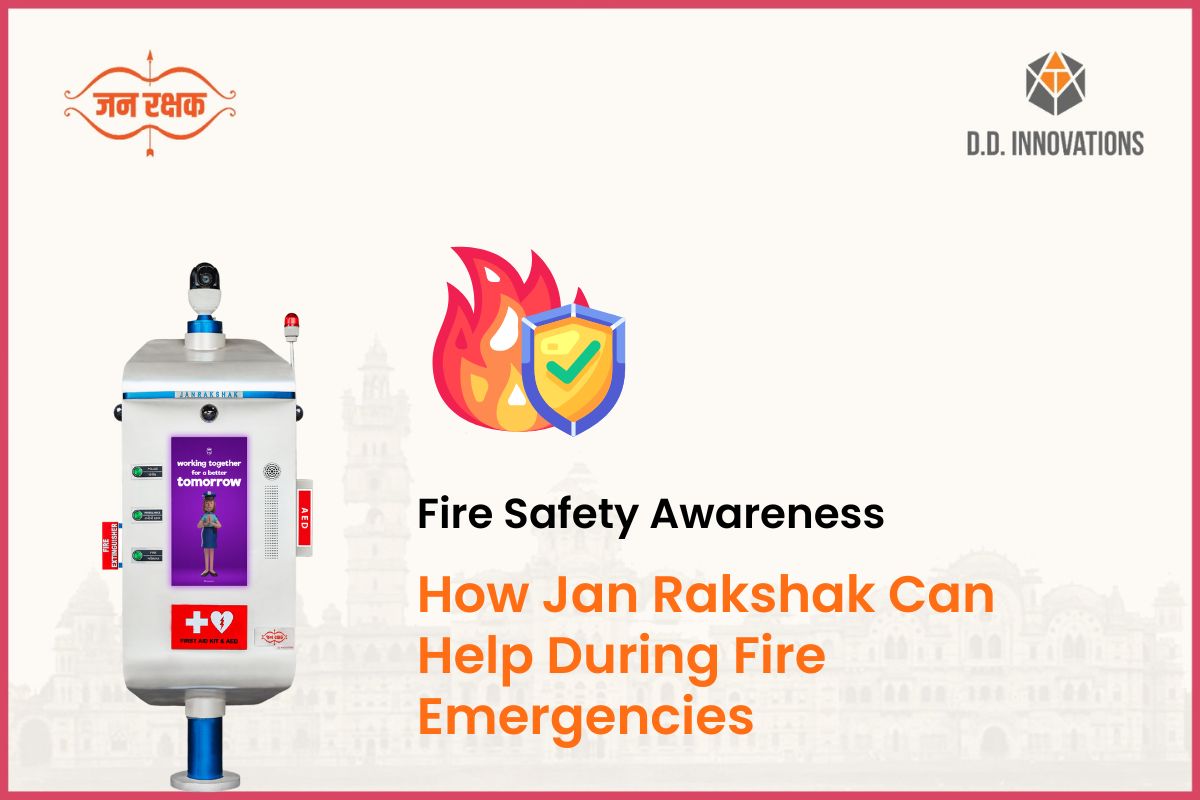
Fire Safety Awareness: How Jan Rakshak Can Help During Fire Emergencies

Categories
Features

Jan Rakshak: A Lifesaver in Heart Emergencies

Heart attacks are a leading cause of death worldwide, and they can occur anywhere, including in public spaces.

In such critical situations, having access to immediate medical assistance is crucial. This is where Jan Rakshak, a network of emergency response kiosks, can be a lifesaver.

The Importance of Immediate Response

When a person experiences a heart attack, every minute counts. Prompt medical intervention is essential to restore blood flow to the heart and prevent irreversible damage. Unfortunately, delayed emergency response can significantly increase the risk of mortality.

Jan Rakshak: A Lifeline in Heart Emergencies

Jan Rakshak kiosks are strategically placed in public areas throughout Vadodara, providing a readily accessible platform for emergency assistance. Equipped with advanced features, including:

While Jan Rakshak provides essential tools and resources, the actions of bystanders can also make a significant difference in heart emergencies. Knowing how to perform CPR and using an AED can be lifesaving. Bystander intervention, coupled with the support of Jan Rakshak, can significantly improve the chances of survival for individuals experiencing cardiac arrest.

To further enhance public safety and improve access to emergency assistance, it is essential to expand the network of Jan Rakshak kiosks throughout Vadodara. Additionally, raising awareness about the availability and proper use of these kiosks is crucial.

Jan Rakshak is a valuable asset in preventing heart-related deaths in public spaces. By providing immediate access to emergency services, AEDs, and first aid supplies, these kiosks can be lifesavers. It is imperative to expand the network of Jan Rakshak kiosks and educate the public about their proper use to ensure the safety and well-being of all citizens.

Categories
Features Safe Vadodara

How To Use AED: A Step-By-Step Guide?

Every second counts in an emergency. When dealing with a sudden cardiac arrest, immediate action can mean the difference between life and death. While Vadodara boasts excellent emergency services, having readily available tools like Automated External Defibrillators (AEDs) can significantly increase survival rates.

This blog post serves as a step-by-step guide for Vadodara residents on how to use an AED effectively. Jan rakshak provides emergency service in vadodara gujarat, Conveniently placed throughout public spaces at 3 locations – Ratri Bazaar, Food Castle Bhayli, The Faculty of Fine Arts Vadodara!

Important Disclaimer: This information is for educational purposes only and does not replace professional medical training. In the event of a cardiac arrest, always call emergency services first, even if an AED is present.

What is an AED?

An AED is a portable electronic device designed to analyze the heart rhythm of a person in cardiac arrest and deliver an electrical shock (defibrillation) to restore a normal heart rhythm. These devices are user-friendly and can be utilized by anyone, regardless of medical background.

Steps to Using an AED:

1. Check the Scene: Ensure your safety and the safety of the victim. If it’s safe to proceed, call emergency services immediately.

2. Assess the Victim: Check for responsiveness by gently shaking them and calling out their name. If they are unresponsive and not breathing normally, proceed to the next step.

3. Turn on the AED: Open the device and follow the prompts.

4. Attach the Pads: The AED will come with adhesive electrode pads. Following the diagrams or prompts on the device, place one pad on the bare chest, just below the right collarbone, and the other on the left side of the chest, below the nipple.

5. Analyze the Heart Rhythm: The AED will analyze the victim’s heart rhythm. Do not touch the victim while the analysis is being conducted.

6. Deliver the Shock (if necessary): If the AED detects a shockable rhythm, it will instruct you to step away and deliver the shock automatically, typically with a flashing red “Shock” button. DO NOT press any buttons unless specifically instructed by the AED.

7. Continue CPR: Once a shock is delivered (if necessary), the AED might instruct you to perform CPR. Follow the prompts on the device and continue chest compressions until help arrives.

Additional Tips:

  • Stay Calm: In a stressful situation, staying calm will allow you to think clearly and act effectively.
  • Don’t Be Afraid to Help: Many people hesitate due to a lack of medical experience. However, AEDs are designed for ease of use. By following the prompts, you can provide critical assistance.
  • Get Trained: Consider taking a CPR/AED training course for increased knowledge and confidence in emergencies.
Conclusion:

Understanding how to use an AED can potentially save a life in Vadodara. Remember, while an AED is a valuable tool, always call emergency services first. Every citizen empowered with this knowledge adds another layer of safety to our community.

Explore more of Jan Rakshak’s features.

Categories
Features

Jan Rakshak Features: More than Just a Device, It’s Peace of Mind

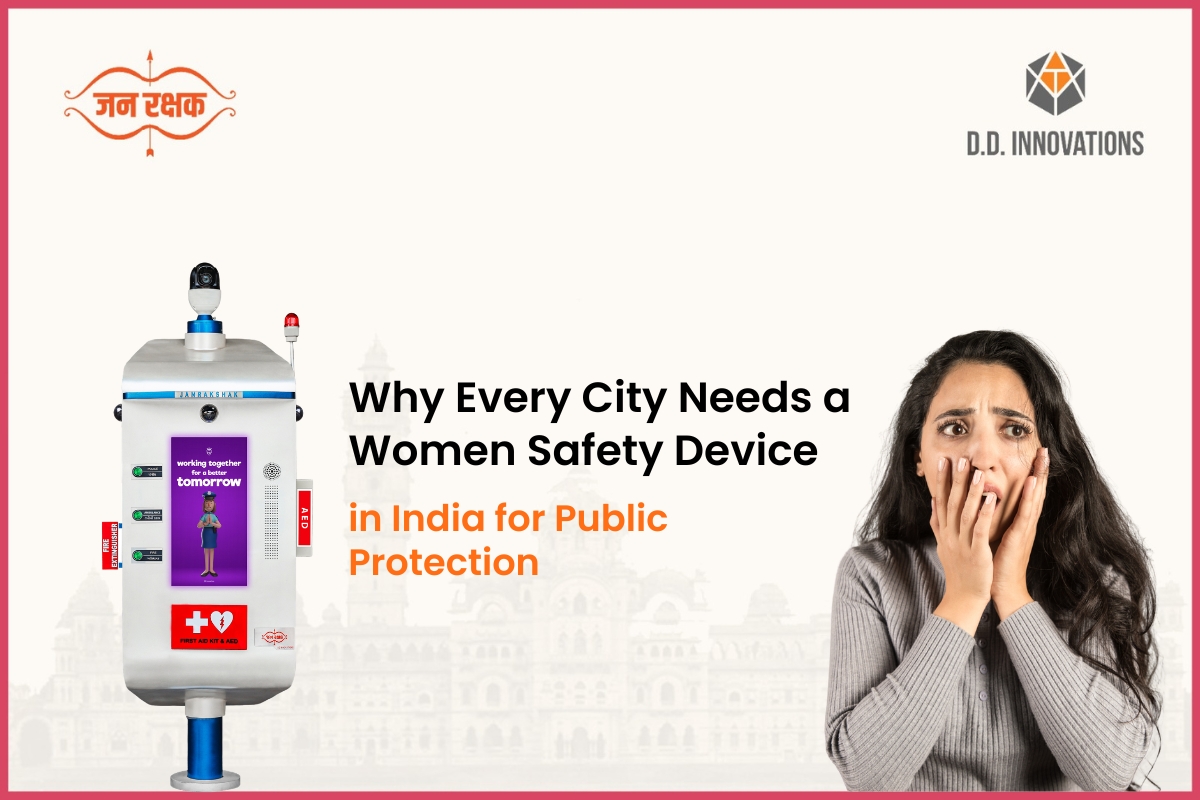
In an era where public safety is a paramount concern, DD Innovations of Vadodara has introduced a groundbreaking solution: Jan Rakshak.

This innovative device is designed to enhance safety in public spaces and provide peace of mind to citizens. Equipped with a multitude of advanced features, Jan Rakshak is more than just a security device, it’s a comprehensive safety solution.

Let’s explore the key features that make Jan Rakshak an indispensable device for ensuring public safety.

Jan Rakshak Features

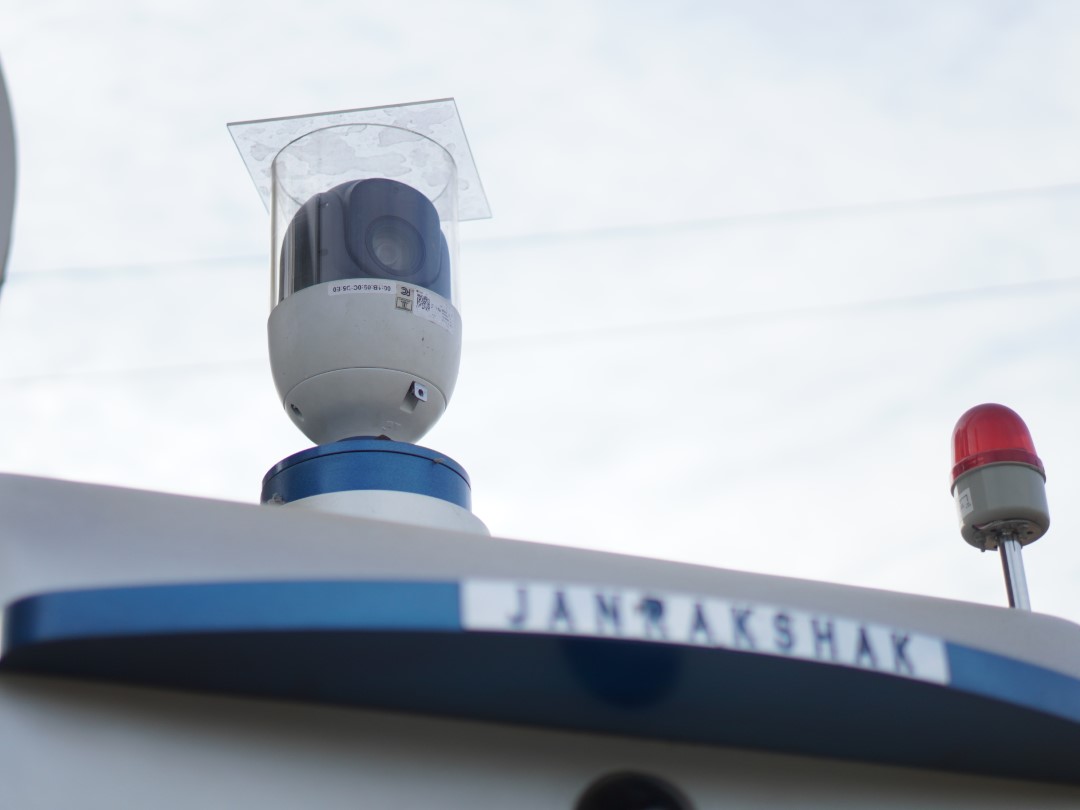
  • Eyes That Never Sleep | 24/7 CCTV camera

One of the standout features of Jan Rakshak is its high-definition CCTV cameras. These cameras are strategically positioned to scan every corner and capture every move, ensuring that no shadow escapes their watchful gaze. 

The constant surveillance provided by these cameras not only helps in monitoring activities but also acts as a deterrent to potential criminals.

The presence of 24/7 CCTV cameras is particularly beneficial in areas where women might feel vulnerable, significantly enhancing their sense of security.

  • The Roar That Chills | Siren

Jan Rakshak is equipped with ear-splitting sirens and piercing alarms designed to deter unwanted visitors.

These alarms are loud enough to attract immediate attention and can send a spine-tingling chill down the spine of any intruder.

The roar of these sirens serves as an effective deterrent, making it clear that the area is under vigilant surveillance.

  • A Voice That Commands |  (PA) system

In times of crisis, clear communication is crucial. Jan Rakshak features a crystal-clear public address (PA) system that can broadcast instructions, warnings, or calming messages.

Whether it’s guiding people to safety during an emergency or providing important announcements, the PA system ensures that everyone is informed and can respond appropriately.

  • Information at a Glance | Digital Display

A bright digital display keeps you informed, security alerts, and vital emergency information.

  • Pulses That Warn | Blinker

Bright, pulsating blinkers act as a visual siren, amplifying the alarm and grabbing attention in an instant.

These visual signals are especially useful in noisy environments where auditory alarms might go unnoticed.

The pulsating lights provide an additional layer of alert, ensuring that everyone in the vicinity is aware of a potential threat.

  • Wounds Meet Your Match | First-Aid Kit

Accidents and minor injuries are inevitable, but with Jan Rakshak, help is always at hand. The device is equipped with a meticulously stocked first-aid kit, ready to mend minor injuries and stabilize the injured until professional help arrives.

This feature is crucial in providing immediate assistance and preventing minor injuries from becoming major concerns.

  • Hearts Beat Again | AED Box 

One of the most life-saving features of Jan Rakshak is the presence of an Automated External Defibrillator (AED). The AED box holds the potential to save lives by restarting hearts that falter in the face of danger.

In cases of cardiac emergencies, quick access to an AED can mean the difference between life and death, making Jan Rakshak an invaluable asset in public spaces.

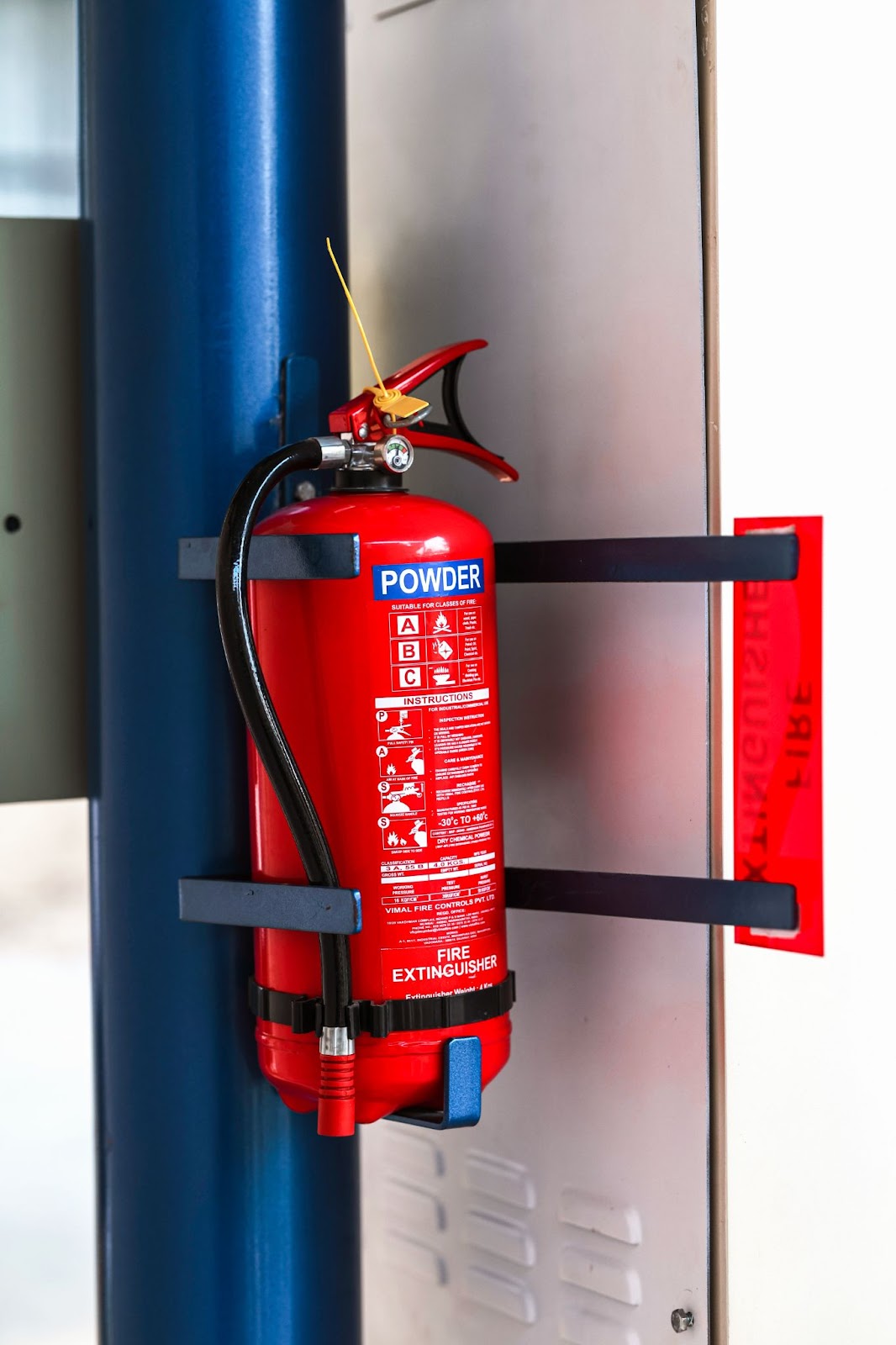
  • Flames Extinguished, Fears Calmed | Fire Extinguisher

Fires can escalate quickly, but with Jan Rakshak, small blazes can be tackled before they spiral out of control. The device includes a strategically placed fire extinguisher, empowering citizens to act swiftly in the event of a fire.

This feature not only helps in controlling fires but also calms fears by providing a means to address the situation immediately.

  • Comprehensive Security and Empowerment

Jan Rakshak’s comprehensive security features not only deter potential criminals but also empower citizens to take control in emergencies.

The device’s advanced surveillance capabilities, combined with its emergency response tools, create a safer environment for everyone.

The constant presence of Jan Rakshak in public spaces promotes a sense of security and preparedness among citizens, especially women, seniors, and children.

Conclusion

Jan Rakshak is more than just a security device, it’s a beacon of safety and reassurance for the citizens of Vadodara.

Its wide range of features, from high-definition surveillance and powerful alarms to first-aid and fire-fighting tools, make it an all-encompassing solution for public safety.

By providing essential resources and quick access to emergency services, Jan Rakshak is revolutionizing the way we approach public safety.