janrakshak

Categories
About Jan Rakshak Emergency Response Systems Features For Government Inspiring Stories Road Safety Safe Vadodara

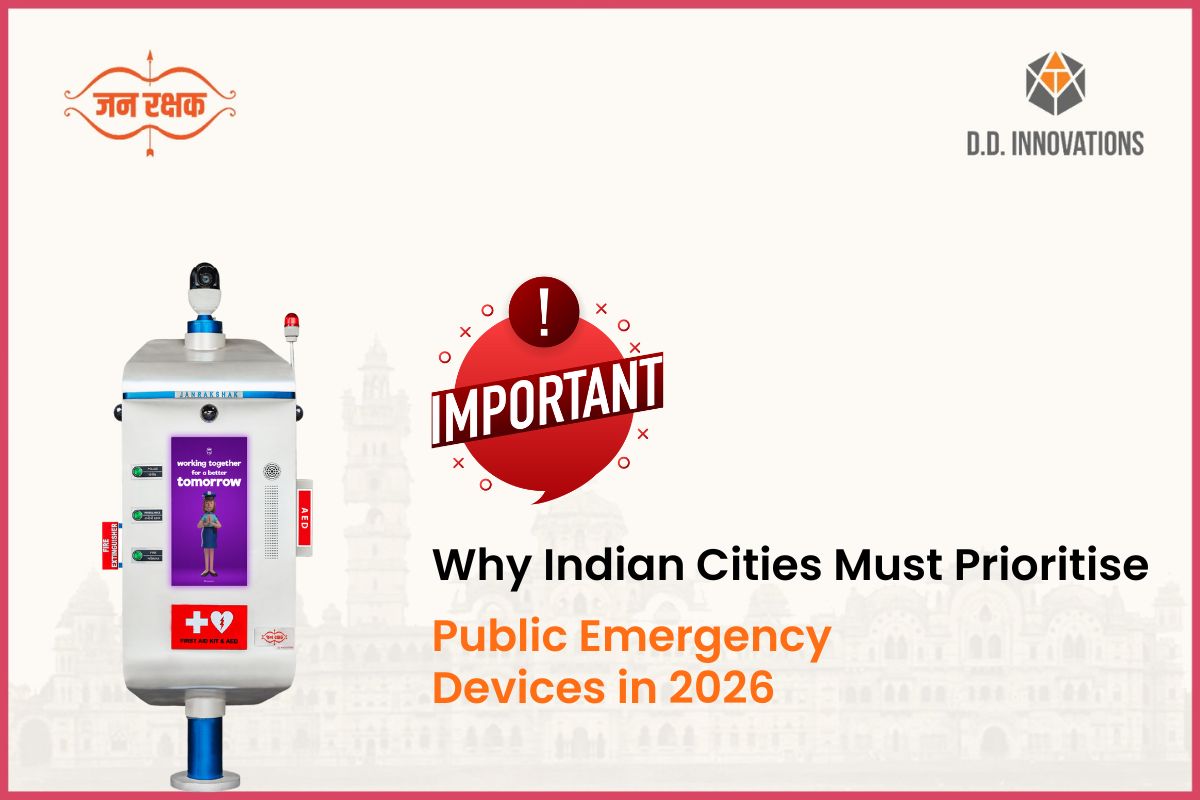
Why Indian Cities Must Priorities Public Emergency Devices in 2026 and Beyond

As Indian cities continue to expand, ensuring urban safety has become a critical priority. Rising traffic density, crowded public spaces, and increased public movement demand faster emergency response. In many situations, even a few minutes can save lives. Public Emergency Devices are now emerging as a vital part of smart city safety infrastructure.

Emergencies require immediate action. Delays increase risk, worsen outcomes, and reduce public trust. Prioritising Public Emergency Devices in 2026 and beyond is essential for saving lives, improving response efficiency, and strengthening confidence in urban governance.

Urban Growth and the Rising Risk of Emergencies

Indian cities are undergoing rapid transformation driven by infrastructure expansion, mobility projects, tourism, and population growth. While this progress creates economic opportunities, it also increases the likelihood of:

  • Road accidents
  • Medical emergencies
  • Public safety incidents
  • Crowd related risks
  • Climate and disaster related events

Traditional emergency reporting depends heavily on mobile phones, internet connectivity, and awareness of emergency numbers. In real situations involving panic, injury, language barriers, or poor network coverage, these methods often fail or cause delays.

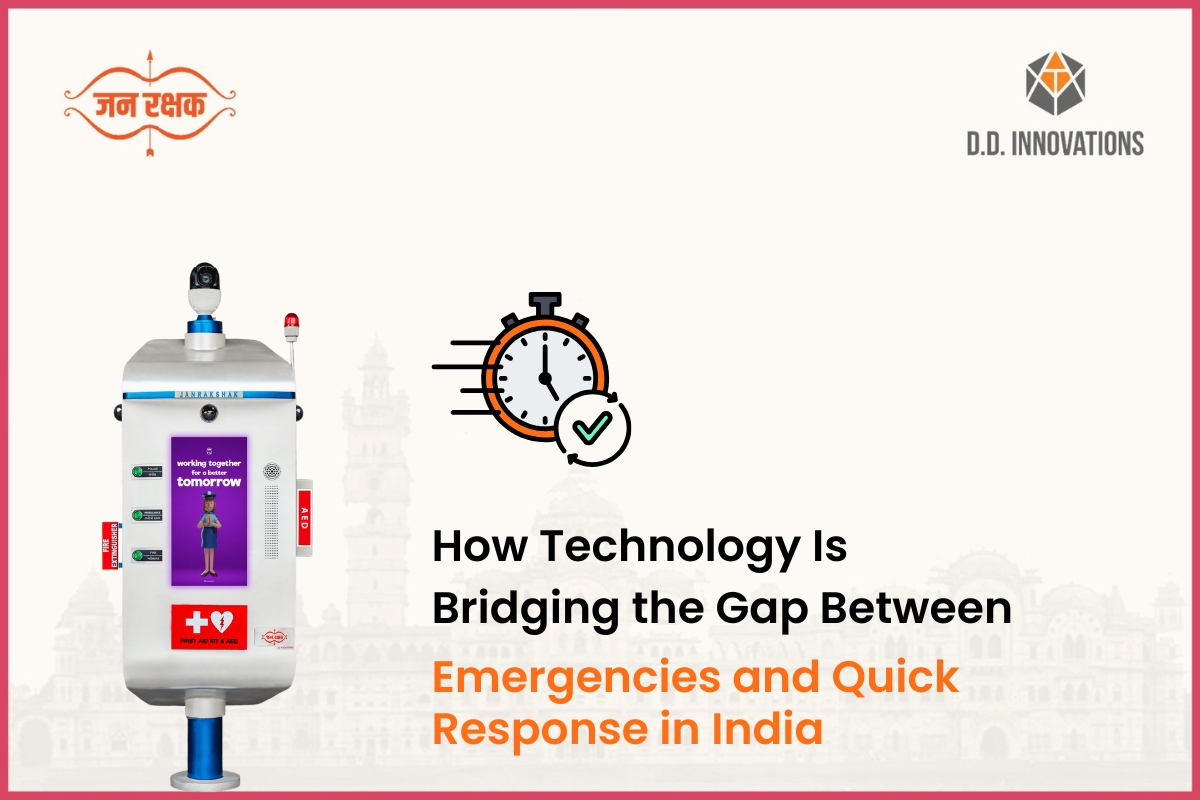
Public Emergency Devices address this gap by offering an instant, location based alert system that works independently of personal devices.

Why Faster Emergency Response Matters

In most emergencies, the first few minutes determine the outcome. Whether it is a traffic accident, a medical crisis, or a public safety threat, a timely response can prevent loss of life and reduce the severity of harm.

Public Emergency Devices allow citizens to raise alerts instantly with minimal effort. Once activated, these systems transmit real time alerts along with accurate location details. This enables police, medical teams, and disaster response units to reach the scene quickly and act decisively.

Faster response not only saves lives but also helps control situations before they escalate further.

Enhancing Public Safety Through Smart Infrastructure

Public Emergency Devices are not just response tools. They are visible symbols of safety that reassure citizens and create a sense of preparedness in public spaces. Their presence also discourages unlawful activity by increasing the likelihood of immediate reporting and intervention.

These devices are especially important for vulnerable groups such as senior citizens, children, tourists, and individuals unfamiliar with local emergency systems. Simple design and easy accessibility ensure that anyone can seek help when needed.

Their effectiveness increases significantly when installed at:

  • Highways and accident prone road stretches
  • Transit hubs and railway stations
  • Public parks and open spaces
  • Tourist destinations
  • High footfall urban zones

Supporting Smart City and Governance Objectives

Public Emergency Devices align closely with India’s smart city and urban governance goals. They support data driven decision making by generating insights into emergency patterns, response times, and high risk locations.

By integrating these systems into city infrastructure, municipalities can improve coordination between police departments, medical services, and disaster management authorities. This integrated approach leads to better planning, optimized resource allocation, and improved accountability across agencies.

Building Citizen Confidence and Improving City Livability

Safety plays a major role in how people experience a city. When residents and visitors feel protected, they are more likely to participate in social, economic, and cultural activities.

Reliable emergency response systems increase trust in local governance and contribute directly to city livability. Public Emergency Devices send a clear message that citizen safety is a priority.

This confidence supports tourism, attracts investment, and encourages sustainable urban growth.

Preparing Indian Cities for 2026 and Beyond

As cities become more complex, emergencies will also become more unpredictable. Climate related disruptions, traffic congestion, and growing public gatherings demand resilient and adaptable safety solutions.

Public Emergency Devices offer a scalable system that can evolve alongside future urban needs. Prioritising these systems in 2026 and beyond ensures that cities are prepared not only for current challenges but also for emerging risks.

Cities that invest early in such infrastructure will be better equipped to protect lives and maintain public confidence.

Conclusion

As India’s urban landscape continues to evolve, public safety infrastructure must keep pace with new challenges. Public Emergency Devices provide immediate access to help, reduce emergency response time, and strengthen coordination among response agencies.Prioritising Public Emergency Devices will help Indian cities move toward safer, smarter, and more responsive environments. In the coming years, systems such as Jan Rakshak will play a foundational role in urban safety planning, supporting responsible governance and stronger public trust in emergency response networks

Categories
About Jan Rakshak Emergency Response Systems Features For Government Inspiring Stories Public Safety Public safety and security device in India

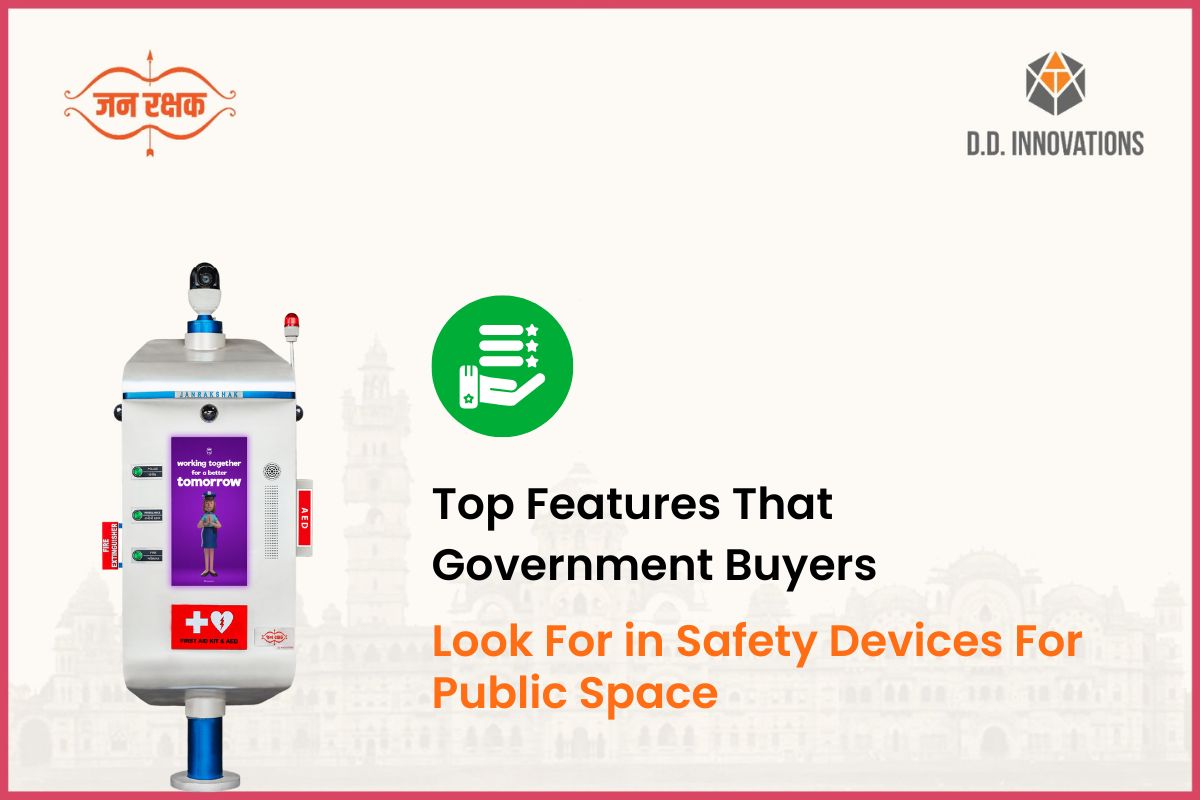
 Top Features That Government Buyers Look For in Safety Devices For Public Space

Public safety is a top priority for every government authority, whether at city intersections, highways, or tourist destinations. Investing in reliable safety devices for public spaces is not just about compliance; it’s about building safer, smarter, and more responsive communities. When government departments evaluate such technologies, they focus on innovation, reliability, and measurable impact on citizen safety.

Below are the top features that most government buyers consider essential when choosing safety devices for their communities.

1. Instant Communication During Emergencies

In an emergency, every second counts. Devices equipped with one-touch emergency alerts, panic buttons, and two-way communication channels are highly preferred. They enable citizens to instantly connect with control rooms, police stations, or medical response teams, ensuring help reaches faster and lives are saved.

2. Durability and Weather Resistance

Public spaces are constantly exposed to harsh conditions, including heat, rain, dust, and continuous public use. Government agencies seek equipment built with industrial-grade materials, anti-corrosion coatings, and vandal-resistant construction to ensure long-term reliability and functionality.

Safety installations, such as Jan Rakshak kiosks, are engineered to withstand extreme outdoor conditions while maintaining year-round operational efficiency.

3. Power Autonomy, Connectivity, and Smart Energy Management

Governments increasingly prefer self-sustaining systems that operate seamlessly, even during power outages. Solar-powered or battery-backed devices ensure uninterrupted functionality in both urban and off-grid areas. Connectivity through GSM, 4G/5G, or IoT networks enables real-time data sharing with central monitoring systems, an essential feature for smart-city integration.

Energy-efficient components and low-maintenance design further reduce operational costs for municipalities and local bodies, supporting sustainability goals.

4. Accessibility and Inclusiveness

A safety device must serve every citizen, regardless of age, language, or ability. Multilingual voice prompts, tactile buttons, and clear visual indicators make devices user-friendly and inclusive. Accessibility is not just a feature; it reflects a commitment to equality and community care.

5. Integration With Existing Infrastructure

Governments prefer devices that integrate smoothly with existing city systems. Compatibility with CCTV surveillance, emergency helplines, and disaster-management networks ensures unified coordination during critical events. Seamless integration also allows faster deployment and reduces infrastructure costs.

6. Reliable Support and Maintenance

Beyond installation, continuous performance is key. Devices backed by reliable after-sales service, periodic software updates, and quick technical support are highly valued. Long-term maintenance contracts and warranty coverage build trust and ensure consistent uptime in public infrastructure.

Empowering Safer Communities With Smart Innovation

As India’s cities and towns transition to smarter, more connected infrastructure, the demand for intelligent, durable, and responsive safety systems continues to increase.

At Jan Rakshak, we design advanced safety devices for public spaces that combine emergency response, rugged construction, and intelligent monitoring, ensuring every citizen feels protected wherever they are. From highways to urban hubs, Jan Rakshak kiosks stand as silent guardians of public safety.

Categories
About Jan Rakshak Emergency Response Systems Features For Government Inspiring Stories

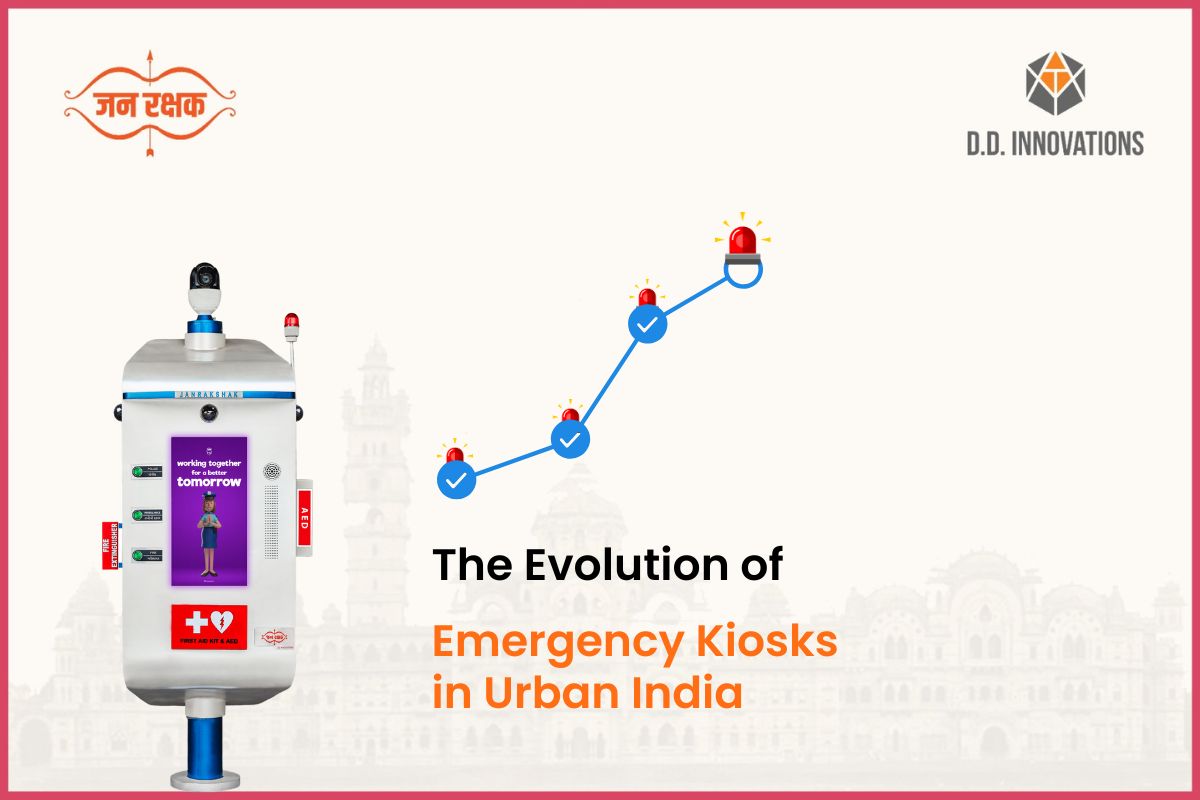
The Evolution of Emergency Kiosks in Urban India

Emergency kiosks in India are redefining how citizens access help during critical moments. As cities grow and infrastructure expands, public safety systems must evolve to keep pace with the speed and scale of urban life. This shift has led to the rise of smart emergency kiosks, a powerful innovation transforming safety across highways, campuses, parks, and public spaces.

Emergency kiosks are more than devices. They are real-time lifelines that connect citizens to help within seconds.

How Emergency Kiosks in India Have Evolved

  1. From manual booths to digital safety points

Older help systems depended completely on human availability. Police booths or emergency telephones often remained unused or inaccessible when citizens needed them most.
Digital emergency kiosks changed this reality. By offering direct connectivity to control rooms, they removed delay, improved coordination, and ensured round-the-clock accessibility.

  1. The impact of the Smart City Mission

The government’s Smart Cities Mission accelerated the shift toward connected safety systems. Emergency kiosks soon became IoT-enabled, equipped with SOS buttons, CCTV cameras, GPS tracking, sirens, and automated alert systems.
These upgrades created a reliable communication bridge between citizens and authorities, raising India’s safety standards to global levels.

  1. Designed for every citizen

Modern kiosks are built with inclusivity in mind. Large buttons, clear instructions, voice guidance, and multilingual support make them accessible for people of all ages and abilities.
Built with rugged materials, solar-powered options, and vandal-resistant structures, they perform efficiently across Indian climates and terrain.

Innovative companies like Jan Rakshak are playing a key role in developing advanced kiosks suitable for high-traffic highways, busy city streets, tourist areas, and remote locations.

  1. Turning real-time data into smarter decisions

Today’s kiosks not only respond to emergencies but also collect valuable insights on incident patterns, high-risk zones, and response times.
This data helps authorities deploy teams more effectively, anticipate risks, and plan proactive safety measures that improve city management and reduce long-term emergencies.

The Future of Emergency Kiosks in India

The next generation of kiosks will be intelligent, connected, and fully automated. AI assistance, integrated apps, two-way audio, and live analytics will make them complete safety hubs across cities and towns. These features will help citizens access help more quickly and allow administrators to manage public safety more efficiently.

Building Safer Cities with Jan Rakshak

The rise of emergency kiosks reflects India’s broader movement toward smarter, citizen-first governance. These kiosks stand as silent protectors across public spaces, delivering help exactly when it is needed.

At Jan Rakshak, we are committed to strengthening this safety ecosystem. Our intelligent, durable, and responsive emergency kiosks are designed to support communities, save lives, and build safer, better-connected cities across India.

Categories
About Jan Rakshak AED (Automated External Defibrillator) Emergency Response Systems Features For Government Inspiring Stories

What Urban Development Officers Should Know About Public Safety Kiosk Deployment

As cities in India continue to expand rapidly, the responsibility to ensure citizen safety has never been greater. From crowded junctions and public parks to transport hubs and educational zones, every urban space must now be designed not only for efficiency but also for safety.
This is where smart, tech-driven solutions like a Public Safety Kiosk come into play, bridging the critical gap between citizens and emergency responders.

For urban development officers, understanding how to plan, deploy, and integrate such kiosks into the city’s infrastructure is becoming a key component of modern governance.

The Evolving Need for On-Ground Safety Infrastructure

According to data from the Ministry of Road Transport and Highways, more than 4 lakh road accidents occur in India annually. In many cases, victims don’t receive timely help due to the lack of nearby emergency systems.
Urban planners are now realizing that while technology powers cities, it should also protect them.
A well-placed Public Safety Kiosk can provide immediate access to police, ambulance, and fire services, helping reduce emergency response time significantly.

The focus of city planning must now shift from post-incident management to proactive safety design, embedding public safety devices directly into the civic ecosystem.

Key Factors Urban Development Officers Must Consider

Before deploying emergency kiosks, urban officers and contractors need to evaluate several important factors to ensure long-term impact and operational success.

1. Location Priority

Kiosks should be placed in high-footfall and high-risk areas such as:

  • Bus terminals and metro stations
  • College and school entrances
  • Religious places and public parks
  • Major intersections and highway rest zones
  • Tourist spots and marketplaces

Strategic placement ensures that help is never far away when someone needs it most.

2. Connectivity and Integration

A Public Safety Kiosk should be integrated with the city’s command center for real-time communication.

This enables live monitoring, two-way audio-visual interaction, and automatic alerts to nearby emergency services.

Ensuring reliable power backup and network connectivity is essential for uninterrupted functioning.

3. Maintenance and Responsiveness

Once installed, the kiosk should not become a forgotten unit. Regular maintenance checks, component upgrades, and monitoring logs must be part of the city’s standard operating plan. Periodic audits help ensure that the system is always functional when it truly matters.

4. Accessibility for All

The design must be intuitive and usable by people of all ages and abilities, from children to senior citizens. Features like emergency buttons, clear visual indicators, and voice assistance make the system inclusive.

5. Community Awareness

Even the most advanced system loses its purpose if people are unaware of how to use it. City officers must collaborate with local schools, NGOs, and residents’ associations to educate the public about kiosk functionality and its benefits.

How Smart Cities Can Leverage Safety Kiosks

With initiatives like Smart City Mission, Indian cities are evolving into digital ecosystems. Integrating safety kiosks into these frameworks can strengthen emergency preparedness while demonstrating transparency and technological progress.

By aligning kiosk deployment with CSR initiatives and public-private partnerships, cities can optimize budgets and accelerate implementation timelines.

Why Jan Rakshak Leads the Way

Among the emerging solutions, Jan Rakshak stands out as a practical and reliable safety innovation for urban environments. Designed and manufactured in India, it combines advanced emergency tools with a user-friendly interface.

Each unit includes:

  • Direct alert buttons for police, ambulance, and fire departments
  • Live CCTV and command center connectivity
  • AED Box, first aid kit, and fire extinguisher
  • Public announcement speaker and digital display for awareness messages

Deployed in high-footfall zones across Gujarat, Jan Rakshak ensures that help is always just one press away, turning urban safety from a plan into a promise.

Final Thought

As India’s cities continue to modernize, safety must evolve alongside infrastructure. For urban development officers, integrating devices like Jan Rakshak is not just about compliance, it’s about creating a future where no citizen feels helpless in an emergency.

Because true progress is measured not by how fast a city grows, but by how safely its people live.

Categories
About Jan Rakshak AED (Automated External Defibrillator) Emergency Response Systems Features For Government Inspiring Stories Introduction

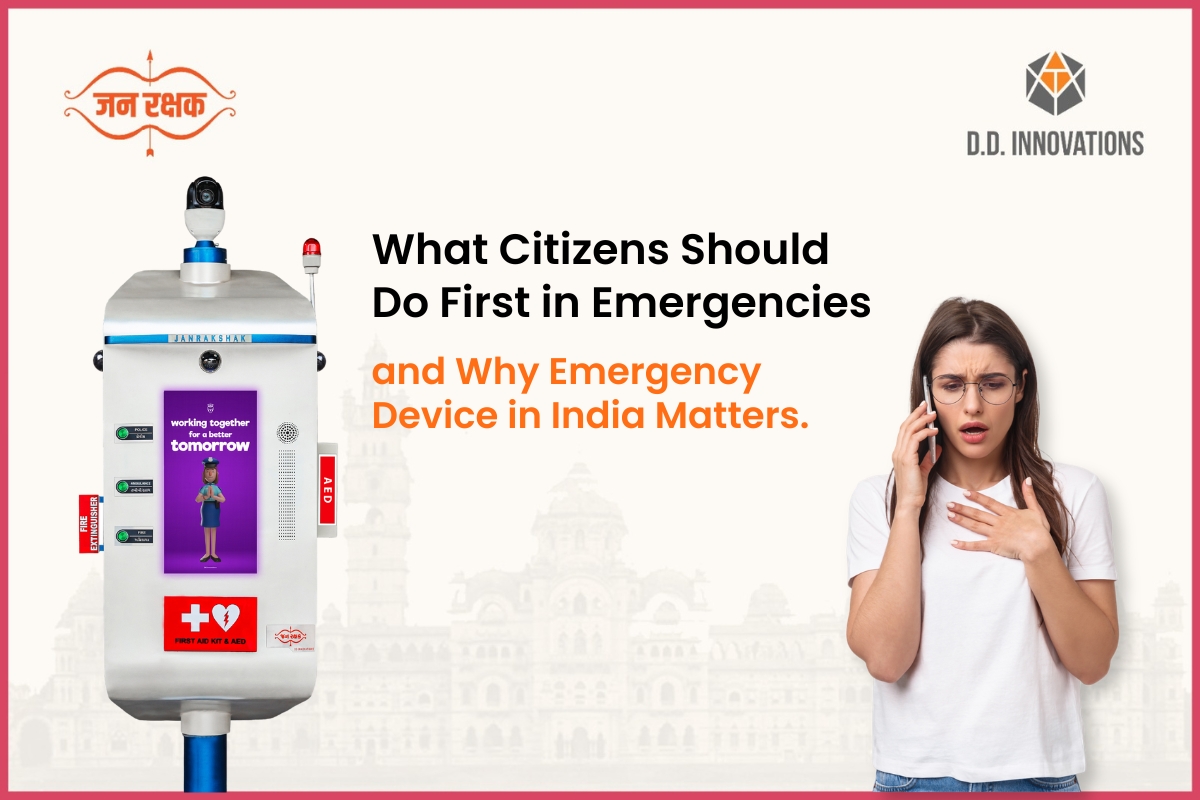
 Why “Golden Hour” Matter: Life-Saving Actions You Can Take Before Help Arrives

When an emergency strikes, be it a road accident, a cardiac arrest, or a public altercation, the first few minutes are the most critical. Medical professionals refer to these as the “Golden Hour” because they often determine the outcome between life and death. Unfortunately, most people panic or freeze, unsure of what to do during this crucial window. But with the right awareness and tools, these precious minutes can be used to stabilise the victim, alert help, and potentially save a life.

Understanding the Golden Hour

The concept of “Golden Hour” stems from trauma care, where timely intervention directly influences recovery outcomes. For example:

  • In the case of cardiac arrest, CPR within the first 3 – 5 minutes can double or triple a person’s chance of survival.
  • In road accidents, victims may suffer from internal bleeding. Delays in response can turn a manageable injury into a fatal one.
  • In fire or chemical exposure, the difference of a minute can mean preventing long-term damage to the lungs, skin, or eyes.

Time is not just a number in emergencies. It’s a decision-maker.

What You Can Do in the Golden Hour

While most people aren’t doctors, everyone can take steps to assist in a crisis. Here’s what you should keep in mind:

1. Ensure Safety First

Before rushing to help, make sure the area is safe for you and others. Check for fire, traffic, or any immediate danger.

2. Call for Help Immediately

Do not assume someone else is calling. Dial your local emergency number and provide the precise location. If a public emergency service device is nearby, use it to alert authorities instantly.

3. Don’t Crowd the Victim

This is a major issue in India. Crowds delay help and cause panic. Make space. Encourage others to stay calm and keep the area open for responders.

4. Provide Basic First Aid

  • If trained, begin CPR or apply pressure to wounds.
  • If not trained, speak calmly to the victim and keep them conscious.
  • Use any nearby public emergency service device that may provide medical kits, AED, or instructions.

5. Stay Calm and Take Control

Leadership matters. Take charge, delegate tasks, and give clear instructions. Even simple tasks like directing traffic or guiding responders to the victim can make a huge impact.

The Role of Technology in Emergency Situations

India is beginning to see the integration of tech-driven solutions in public safety. Whether it’s a fire, a medical emergency, or a public threat, quick access to aid is vital. A public emergency service device, equipped with CCTV, Emergency buttons, voice communication, an AED kit, and emergency alerts, can fill the gap between incident and intervention.

This kind of infrastructure reduces reliance on bystanders and ensures real-time communication with the nearest support systems.

Why Jan Rakshak is the Need of the Hour

In a country where emergency response time can vary widely, Jan Rakshak offers a practical and scalable solution. Installed in high-footfall and vulnerable areas like highways, college zones, temple roads, and busy junctions, Jan Rakshak acts as an on-ground safety companion.

Each unit includes:

  • One-touch emergency alert
  • Real-time camera surveillance
  • Voice assistance
  • AED + First Aid kit
  • Fire extinguisher and safety lights
  • Direct police and ambulance connection

It’s more than a device. It’s a promise that help is always near, even before the ambulance arrives.

Final Thoughts

Every second counts, and every action matters. The next time you witness an emergency, remember, you don’t have to be a hero. You just have to be prepared. Learn the basics, stay calm, and support systems that bring safety closer to every citizen.

Because saving lives doesn’t always require a cape. Sometimes, it just needs the right response during the Golden Hour.

Want to see how Jan Rakshak is redefining safety in public spaces?

Check real-life case studies and discover how this smart safety kiosk is bridging the emergency response gap across India.

Categories
About Jan Rakshak Emergency Response Systems

Why Jan Rakshak Stands Out Among Emergency Devices in India

When safety is at stake, every second matters. In crowded cities and busy public spaces, emergencies – medical, fire, or security-related – can happen anytime. But what truly makes the difference is how fast help can reach you.

That’s where Jan Rakshak, a trusted emergency solution, steps in. This smart, accessible system has become a benchmark for what an emergency device in India should be.

Here’s what makes it different and why it’s transforming public safety.

What’s the Challenge?

Even today, most public spaces in India rely on traditional measures like police patrolling and CCTV cameras. While important, these methods often fall short when immediate intervention is needed.

Whether someone collapses from a heart attack, a fire breaks out, or a person feels threatened, help often takes precious minutes to arrive.

A modern, efficient emergency device in India needs to bridge this gap and Jan Rakshak does exactly that.

Meet Jan Rakshak: A Smarter Way to Stay Safe

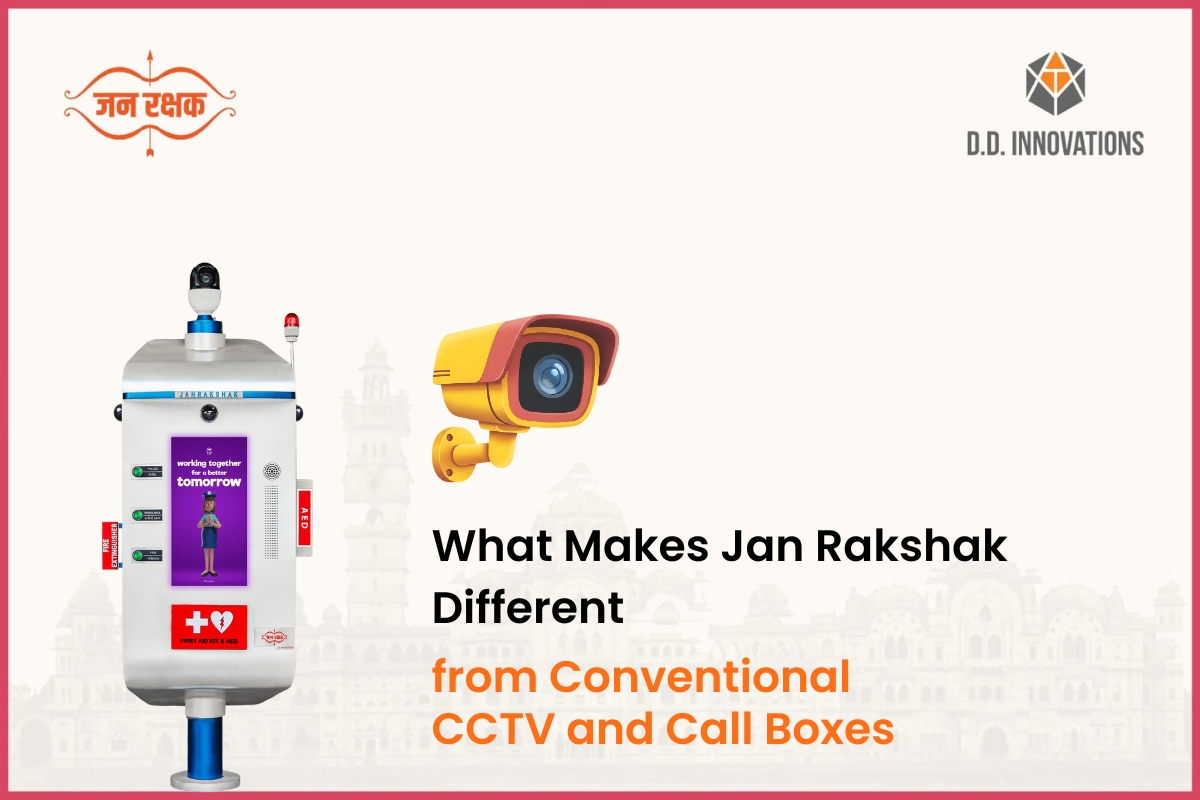
Jan Rakshak is more than just an emergency kiosk. It’s a public-access, all-in-one solution that combines technology, usability, and quick response, making it easier for anyone to raise an alarm and get help instantly.

Key Features at a Glance:

One-Touch SOS: Instantly alert police, ambulance, or fire services.

Attention-Grabbing Alarms: Loud sirens and flashing lights discourage misbehavior and alert bystanders.

CCTV Surveillance: Real-time video monitoring aids quick assessment.

Life-Saving Tools: AED (defibrillator), fire extinguisher, and first aid kit.

Two-Way Communication: Direct audio link to the emergency control room.

Simple, intuitive, and always ready, Jan Rakshak ensures help is just a button away.

You can learn in detail about Jan Rakshak’s device features.

Why Jan Rakshak Leads the Way

So, what sets Jan Rakshak apart from other systems?

Built for Public Use – Easy enough for anyone to operate in a crisis.

Multi-Functionality – Handles medical, fire, and security incidents.

Faster Response Times – Cuts delays, saves lives.

Psychological Safety – Encourages women, children, and elders to feel secure in public.

Smart-City Ready – Fits seamlessly into modern urban planning.

With Jan Rakshak in place, public spaces feel safer, and communities gain confidence.

Real Impact on Communities

The presence of Jan Rakshak kiosks in cities has already:

  • Improved coordination between citizens and emergency services.
  • Reinforced trust in public safety infrastructure.

This is why it’s being hailed as one of the most reliable emergency devices in India.

Looking Ahead

The future of emergency devices is exciting. Innovations like AI-based alerts, solar-powered operation, and app integration could soon make these systems even smarter and more sustainable.

As more cities adopt Jan Rakshak, India is moving toward a vision of safer, smarter, and more inclusive public spaces.

Final Word

Jan Rakshak proves that safety doesn’t have to wait. It empowers ordinary citizens to act quickly and ensures that help is just seconds away.

By setting a higher standard for emergency response, it’s showing the world how an emergency device in India can save lives and build stronger communities.

Categories
Emergency Response Systems

Empowering Communities: Jan Rakshak’s Role in Fostering Collective Safety

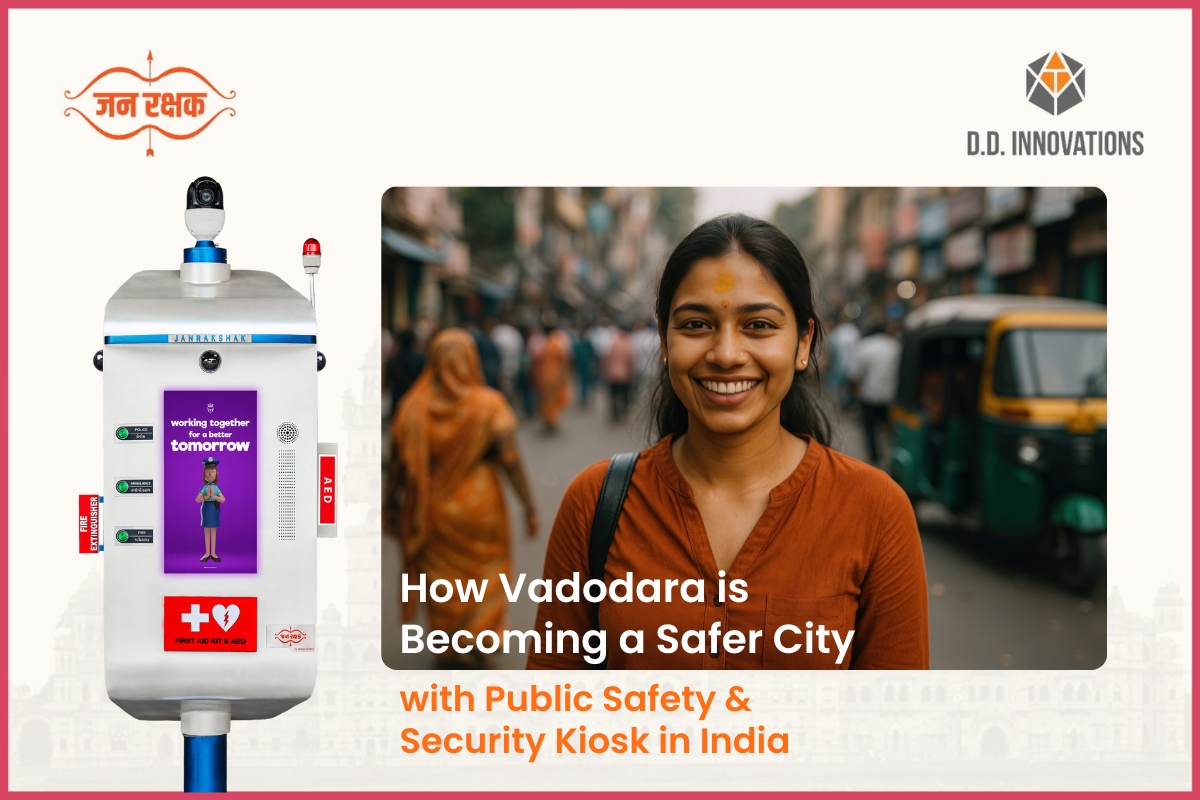
In today’s fast-paced urban environments, ensuring public safety has become a top priority for governments and civic bodies. One of the most innovative initiatives gaining momentum in Vadodara, Gujarat is the Jan Rakshak project, an advanced solution aimed at transforming how communities interact with emergency services. By strategically placing smart kiosks across public spaces, Jan Rakshak is revolutionizing the concept of collective safety, empowering citizens to take immediate action in times of crisis.

What Is Jan Rakshak?

Jan Rakshak is a smart public safety kiosk system developed by DD Innovations, based in Vadodara, Gujarat. These kiosks are designed to provide instant connectivity to emergency services including police, fire brigade, and ambulance support. Installed at Ratri Bazaar, Food Castle Bhayli, and the Faculty of Fine Arts, Vadodara, it provides 24/7 emergency support, Jan Rakshak is becoming a model example of a tech-powered public safety infrastructure.

With a sleek design and user-friendly interface, the kiosk includes clearly marked buttons for 100 (Police), 101 (Fire), and 108 (Ambulance). Once pressed, these buttons instantly notify emergency responders and provide them with real-time location data, drastically reducing response times.

Why Jan Rakshak Matters for Public Safety

Jan Rakshak is more than just an emergency response unit, it’s a symbol of community empowerment and proactive governance. In an age where every second counts during an emergency, these kiosks bridge the gap between the public and first responders.

Here’s why the Jan Rakshak initiative is a game-changer:

Direct Emergency Contact: With just a push of a button, citizens can reach the appropriate emergency service without using a mobile phone or relying on others. This accessibility can be a lifesaver for children, elderly individuals, or people in distress.

Surveillance & Monitoring: Each kiosk is equipped with CCTV cameras and sirens that activate during an emergency, capturing live footage and drawing public attention. This not only aids in post-incident investigations but also acts as a deterrent to criminal activity.

Real-Time Announcements: Integrated digital display boards and speakers make it possible to relay important public information, be it lost children alerts, natural disaster warnings, or health and safety guidelines, ensuring that communities stay informed.

Medical Assistance: kiosks are equipped with AED (Automated External Defibrillators) and first-aid kits.

Fire Safety Integration: The inclusion of fire extinguishers ensures quick action in case of small fires. 

A Trusted Emergency Safety Device in Gujarat

As cities grow and populations rise, the need for accessible public safety mechanisms becomes more urgent. Jan Rakshak is leading the way as a trusted emergency safety device in Gujarat, ensuring that safety is not just a privilege but a right for every citizen.

From school campuses to shopping malls, these smart kiosks could be adopted across the state. Vadodara, the home of the project, has seen positive feedback and community engagement, with residents praising the ease of use and visible impact on public safety.

Impact on Community and Governance

  • Faster Response Times: Police and emergency services are reaching incident sites significantly faster.
  • Community Confidence: Residents feel safer knowing help is just a button away.

With the success seen in pilot areas, the Jan Rakshak model is now being considered for replication in other cities across Gujarat.

A Scalable Model for Smart Cities

Jan Rakshak aligns seamlessly with India’s vision for Smart Cities, integrating IoT, surveillance, and AI in public safety infrastructure. As a leading emergency safety device in Gujarat, it sets a benchmark for innovation that other states can follow.

Its scalability and low maintenance design make it ideal for both urban and semi-urban environments. Additionally, the real-time data analytics generated from kiosk usage can help law enforcement agencies plan better and deploy resources more effectively.

The Road Ahead

As technology continues to evolve, so will the capabilities of Jan Rakshak. Future updates may include facial recognition, panic alert systems, and integration with mobile apps. By continuously innovating, the system promises to not only safeguard lives but also foster a culture of collective responsibility and vigilance.

In conclusion, Jan Rakshak’s device features are designed to deliver instant, reliable, and life-saving support in moments that matter most. As a pioneering emergency safety device in Gujarat, it reflects how modern technology, when used wisely, can create safer, stronger, and more connected communities.

Categories
About Jan Rakshak Emergency Response Systems

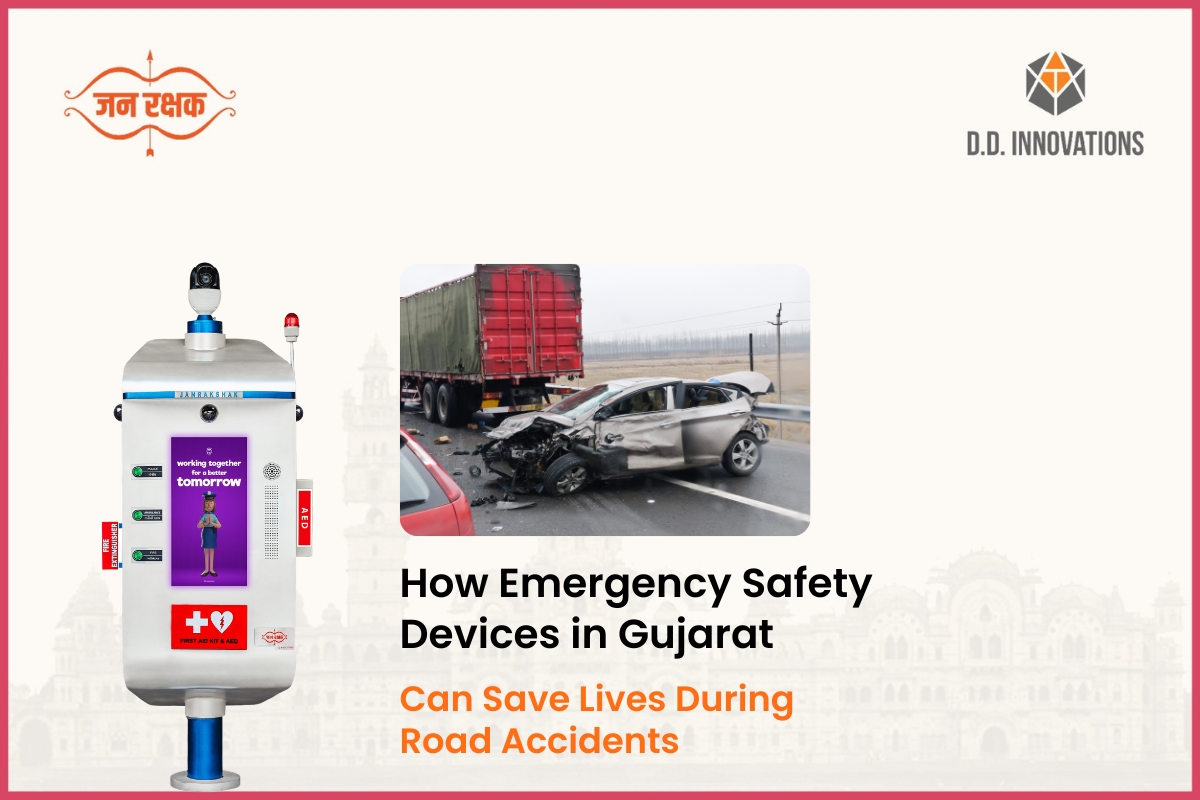
The Power of Jan Rakshak in Roadside Emergencies

Every day, thousands of people set out on the road with plans, destinations, and dreams in their eyes. Families going on vacations, delivery drivers on duty, students heading to college, and countless others simply going about their daily lives. But for many, a moment of carelessness, an unexpected mechanical fault, or an unseen hazard turns a regular journey into tragedy.

Roadside accidents in India remain one of the leading causes of preventable deaths. Despite advancements in infrastructure, the gap between the occurrence of an emergency and the arrival of timely help remains dangerously wide — especially in isolated urban corners, long expressways, and busy public routes.

But change is here. And it’s real.

Imagine a car breaking down in the middle of a highway. It’s late evening. The driver is alone. There’s no signal, no nearby help, no way to quickly inform authorities. Minutes feel like hours, and fear slowly takes over.

Now imagine the same situation, but this time, there’s a Jan Rakshak kiosk just ahead. The driver rushes to it, presses a button, and instantly connects to emergency services. Within moments, help is on the way — guided by real-time information and location. That one touch doesn’t just call for help — it gives someone hope. It offers safety in a moment of helplessness. It saves a life.

In emergencies, time isn’t just important — it’s everything.

Medical experts often refer to the “Golden Hour” — the first hour after a traumatic injury — as the critical window where timely medical assistance can mean the difference between life and death. Unfortunately, on busy roads or remote patches, this golden hour is often lost in confusion, panic, and a lack of communication.

That’s where Jan Rakshak’s emergency call system becomes a lifeline.

This smart public safety kiosk is equipped to connect citizens directly to police, ambulance, and fire services with a single touch. The system bridges the delay between incident and response, ensuring that authorities are alerted instantly and can assess the situation through integrated surveillance and voice communication.

It’s not just about technology. It’s about trust. It’s about knowing that in your worst moment, help isn’t far — it’s just one press away.

A late-night accident at ratri bazzar in vadodara resulted in injuries. Thanks to the presence of a Jan Rakshak kiosk, help was quickly summoned, leading to timely medical attention and preventing further complications.

These stories are more than just moments. They are evidence that when communities are given access to smart emergency support, they respond with empathy, courage, and action.

One such story came from Vadodara, where a Jan Rakshak kiosk placed near a busy night market helped save a life during a late-night medical emergency. The victim’s family later said, “We didn’t know what to do — but that red button gave us hope. We pressed it, and someone answered.”

This isn’t innovation for the sake of technology. It’s an innovation for humanity.

While infrastructure development is critical, what India also needs is a culture of emergency preparedness. Public awareness, accessible support systems, and fast response mechanisms must become part of our everyday environment.

Installing safety kiosks at market squares, schools, tourist routes, and parks isn’t a luxury — it’s a necessity.

We teach children to dial 100 or 112, but what if there’s no phone, no network, or no time? A dedicated kiosk can eliminate that fear.

With tools like Jan Rakshak’s emergency call system, we don’t just install machines — we plant the seeds of a safer, more responsive society.

The goal isn’t just to respond better to accidents. The goal is to reduce them altogether — by building a landscape where safety is always within reach.

As more cities and municipalities adopt the model, it’s vital we spread awareness. People need to know these kiosks exist. They need to know how to use them. And most importantly, they need to believe that when they press that button, someone will answer.

Because that belief can be the reason someone gets home safe.

Because that belief can change everything.

Roadside accidents may never stop completely. But our response to them can improve. Our ability to care for each other — even strangers on the road — can become stronger. And our streets, our highways, and our communities can become safer than ever before.

Let’s build a world where no one feels helpless during a roadside emergency.

Let’s build a world where help is just a button away.

Let’s build it with Jan Rakshak’s emergency call system.

Categories
AED (Automated External Defibrillator) Emergency Response Systems

The Importance of AED (Automated External Defibrillator) at Public Places

Cardiac arrest can happen anytime, anywhere, and to anyone. It is a sudden and life-threatening condition where the heart stops beating unexpectedly, cutting off blood supply to vital organs. In such emergencies, every second matters. An Automated External Defibrillator (AED) is a life-saving device that can restore a normal heart rhythm when used immediately.

Unfortunately, in India, access to AEDs in public places is limited. Many victims do not receive timely help, resulting in thousands of preventable deaths. This is where Jan Rakshak, integrated with AEDs, plays a crucial role in making public spaces safer. Combined with the best security system in India, Jan Rakshak ensures that emergency assistance is always within reach.

Cardiac arrests often occur in public areas like malls, railway stations, airports, offices, and sports complexes. Here’s why having AEDs in these locations is essential:

  • Quick Response Saves Lives – An AED used within the first few minutes of cardiac arrest can increase survival rates by up to 70%.
  • Not Everyone Knows CPR – Many people may not know how to perform CPR, but a speaker’s PA system provides step-by-step voice instructions.
  • Easy to Use – Modern AEDs are designed for public use, with clear guidance.
  • Reduces Emergency Response Time – With an AED nearby, first responders can act before medical personnel arrive, minimizing damage to the brain and heart.

Jan Rakshak is a smart emergency response system installed in public spaces to provide immediate help during medical and security emergencies. Here’s how it supports AED accessibility:

  • Jan Rakshak kiosks are strategically placed in high footfall areas, ensuring that an AED is always within reach.
  • AED storage is secure but accessible, allowing the public to use it when needed.
  • The system ensures regular maintenance and self-checks to keep AEDs functional at all times.
  • If someone suffers cardiac arrest, people can access the AED immediately from Jan Rakshak.
  • The kiosk has an SOS button that instantly alerts emergency responders, ensuring that medical professionals arrive quickly.
  • It provides audio with a Speakers PA System to assist untrained users in operating the AED safely.
  • The best security system in India, Jan Rakshak is equipped with CCTV cameras, ensuring 24/7 monitoring of AED locations.
  • Prevents theft or vandalism of AEDs by keeping them within a secured but accessible kiosk.
  • Jan Rakshak displays educational instructions on how to use an AED during emergencies.
  • It encourages people to learn CPR and defibrillation techniques, making communities more prepared.
  • Public safety announcements inform citizens about AED locations and their importance in saving lives.

With rapid urbanization and increasing heart-related issues, India needs a robust emergency response infrastructure. Smart systems like Jan Rakshak, combined with the best security system in India, can revolutionize public health safety by:

  • Expanding AED installations across bus stops, parks, offices, and educational institutions.
  • Encouraging public-private partnerships to fund AED accessibility projects.
  • Implementing automated alerts and tracking systems for faster response times.
  • Training security personnel, teachers, and office staff to use AEDs effectively.

Ensuring the presence of Automated External Defibrillators (AEDs) in public places is a game-changer in saving lives during cardiac emergencies. Jan Rakshak, integrated with the best security system in India, ensures that AEDs are readily available, monitored, and maintained.

By embracing smart emergency response solutions, we can build a safer and more prepared India. Every second counts in a cardiac emergency – let’s take action today!

Categories
Emergency Response Systems

Ensuring Pedestrian Safety with Smart Emergency Solutions

Pedestrian safety is a critical issue in urban planning and public safety. With the increasing number of road accidents involving pedestrians, ensuring a secure and responsive environment is essential. Many cities lack well-equipped pedestrian zones, and emergency assistance is often delayed, leading to severe consequences.

To address these challenges, Smart Emergency Solutions like Jan Rakshak play a vital role in enhancing safety. Designed to provide immediate assistance, surveillance, and quick emergency response, Jan Rakshak is a revolutionary security system ensuring pedestrian safety in high-risk areas.

Pedestrians encounter multiple risks in their daily commute, including:

  • Lack of designated crossings – Absence of zebra crossings or pedestrian bridges increases accident risks.
  • Distracted driving – Drivers using mobile phones or speeding pose a significant danger.
  • Insufficient lighting – Poorly lit areas make it difficult for both pedestrians and drivers to see clearly.
  • Delayed emergency response – Injured pedestrians often do not receive timely medical assistance.
  • Absence of security monitoring – Public spaces without surveillance are more prone to accidents and crimes.

To combat these challenges, Smart Emergency Solutions integrated with real-time technology, emergency call buttons, and surveillance systems ensure quick assistance and improved pedestrian safety.

Jan Rakshak is a state-of-the-art Smart Emergency Solution that provides real-time emergency support in public areas. Here’s how it helps in safeguarding pedestrians:

Jan Rakshak kiosks are installed in public spaces like busy intersections, Ratri Bazaar, Food Castle Bhayli, and The Faculty of Fine Arts in Vadodara.

. These kiosks:

  • Feature one-touch SOS buttons that connect pedestrians to emergency services.
  • Provide immediate access to ambulance, police, and fire departments in case of an emergency.
  • Offer real-time assistance to accident victims and stranded individuals.

Pedestrians often face security threats like theft, harassment, or accidents. Jan Rakshak kiosks help by:

  • Integrating AI-powered CCTV cameras that monitor public spaces for suspicious activities.
  • Dissuading criminal activities with active surveillance in high-risk areas.
  • Providing law enforcement with live footage to respond swiftly to emergencies.

Lack of proper lighting increases the risk of accidents and crimes in pedestrian areas. Jan Rakshak kiosks:

  • Feature motion-sensor smart lighting to enhance visibility in public spaces.
  • Ensure safer environments for night-time pedestrians and commuters.

Fire hazards and medical emergencies can occur in public spaces. Jan Rakshak supports pedestrians by:

  • Providing first-aid and AEDs (Automated External Defibrillators) for immediate medical assistance.
  • Displaying emergency safety guidelines to educate pedestrians on safety measures.

By integrating cutting-edge Smart Emergency Solutions, Jan Rakshak is redefining pedestrian safety in India. This intelligent kiosk system not only ensures rapid emergency response but also enhances the overall security infrastructure of public spaces.

Ensuring pedestrian safety requires a proactive approach, combining technology, real-time monitoring, and public awareness. Jan Rakshak is a game-changer in pedestrian safety, offering immediate emergency response, real-time surveillance, and smart traffic management.

By implementing Smart Emergency Solutions like Jan Rakshak, cities can create safer streets and protect pedestrians from accidents and crimes. Investing in this technology is a step towards a more secure and efficient future for public safety.