
janrakshak

Categories
About Jan Rakshak Emergency Response Systems Features For Government Inspiring Stories Public Safety Public safety and security device in India

 Top Features That Government Buyers Look For in Safety Devices For Public Space

Public safety is a top priority for every government authority, whether at city intersections, highways, or tourist destinations. Investing in reliable safety devices for public spaces is not just about compliance; it’s about building safer, smarter, and more responsive communities. When government departments evaluate such technologies, they focus on innovation, reliability, and measurable impact on citizen safety.

Below are the top features that most government buyers consider essential when choosing safety devices for their communities.

1. Instant Communication During Emergencies

In an emergency, every second counts. Devices equipped with one-touch emergency alerts, panic buttons, and two-way communication channels are highly preferred. They enable citizens to instantly connect with control rooms, police stations, or medical response teams, ensuring help reaches faster and lives are saved.

2. Durability and Weather Resistance

Public spaces are constantly exposed to harsh conditions, including heat, rain, dust, and continuous public use. Government agencies seek equipment built with industrial-grade materials, anti-corrosion coatings, and vandal-resistant construction to ensure long-term reliability and functionality.

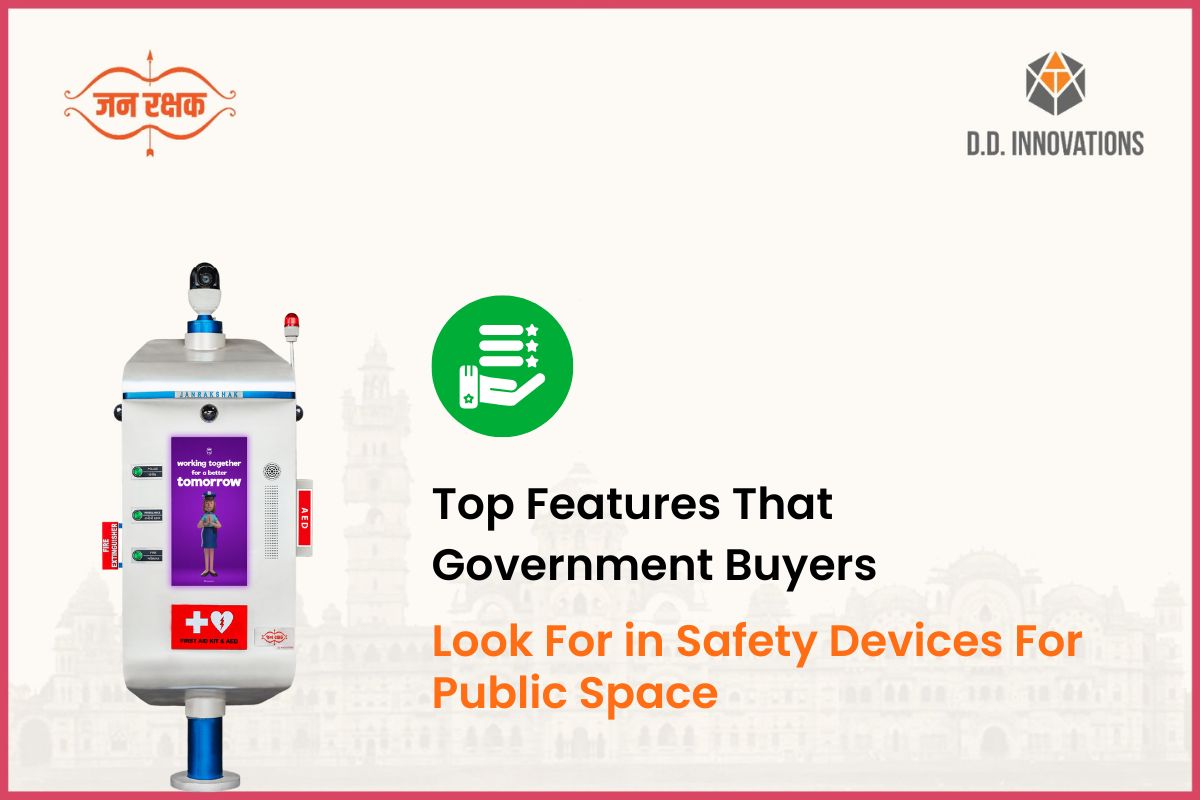
Safety installations, such as Jan Rakshak kiosks, are engineered to withstand extreme outdoor conditions while maintaining year-round operational efficiency.

3. Power Autonomy, Connectivity, and Smart Energy Management

Governments increasingly prefer self-sustaining systems that operate seamlessly, even during power outages. Solar-powered or battery-backed devices ensure uninterrupted functionality in both urban and off-grid areas. Connectivity through GSM, 4G/5G, or IoT networks enables real-time data sharing with central monitoring systems, an essential feature for smart-city integration.

Energy-efficient components and low-maintenance design further reduce operational costs for municipalities and local bodies, supporting sustainability goals.

4. Accessibility and Inclusiveness

A safety device must serve every citizen, regardless of age, language, or ability. Multilingual voice prompts, tactile buttons, and clear visual indicators make devices user-friendly and inclusive. Accessibility is not just a feature; it reflects a commitment to equality and community care.

5. Integration With Existing Infrastructure

Governments prefer devices that integrate smoothly with existing city systems. Compatibility with CCTV surveillance, emergency helplines, and disaster-management networks ensures unified coordination during critical events. Seamless integration also allows faster deployment and reduces infrastructure costs.

6. Reliable Support and Maintenance

Beyond installation, continuous performance is key. Devices backed by reliable after-sales service, periodic software updates, and quick technical support are highly valued. Long-term maintenance contracts and warranty coverage build trust and ensure consistent uptime in public infrastructure.

Empowering Safer Communities With Smart Innovation

As India’s cities and towns transition to smarter, more connected infrastructure, the demand for intelligent, durable, and responsive safety systems continues to increase.

At Jan Rakshak, we design advanced safety devices for public spaces that combine emergency response, rugged construction, and intelligent monitoring, ensuring every citizen feels protected wherever they are. From highways to urban hubs, Jan Rakshak kiosks stand as silent guardians of public safety.
Categories
About Jan Rakshak Emergency Response Systems Features For Government Inspiring Stories

The Evolution of Emergency Kiosks in Urban India

Emergency kiosks in India are redefining how citizens access help during critical moments. As cities grow and infrastructure expands, public safety systems must evolve to keep pace with the speed and scale of urban life. This shift has led to the rise of smart emergency kiosks, a powerful innovation transforming safety across highways, campuses, parks, and public spaces.

Emergency kiosks are more than devices. They are real-time lifelines that connect citizens to help within seconds.

How Emergency Kiosks in India Have Evolved

  1. From manual booths to digital safety points

Older help systems depended completely on human availability. Police booths or emergency telephones often remained unused or inaccessible when citizens needed them most.
Digital emergency kiosks changed this reality. By offering direct connectivity to control rooms, they removed delay, improved coordination, and ensured round-the-clock accessibility.

  1. The impact of the Smart City Mission

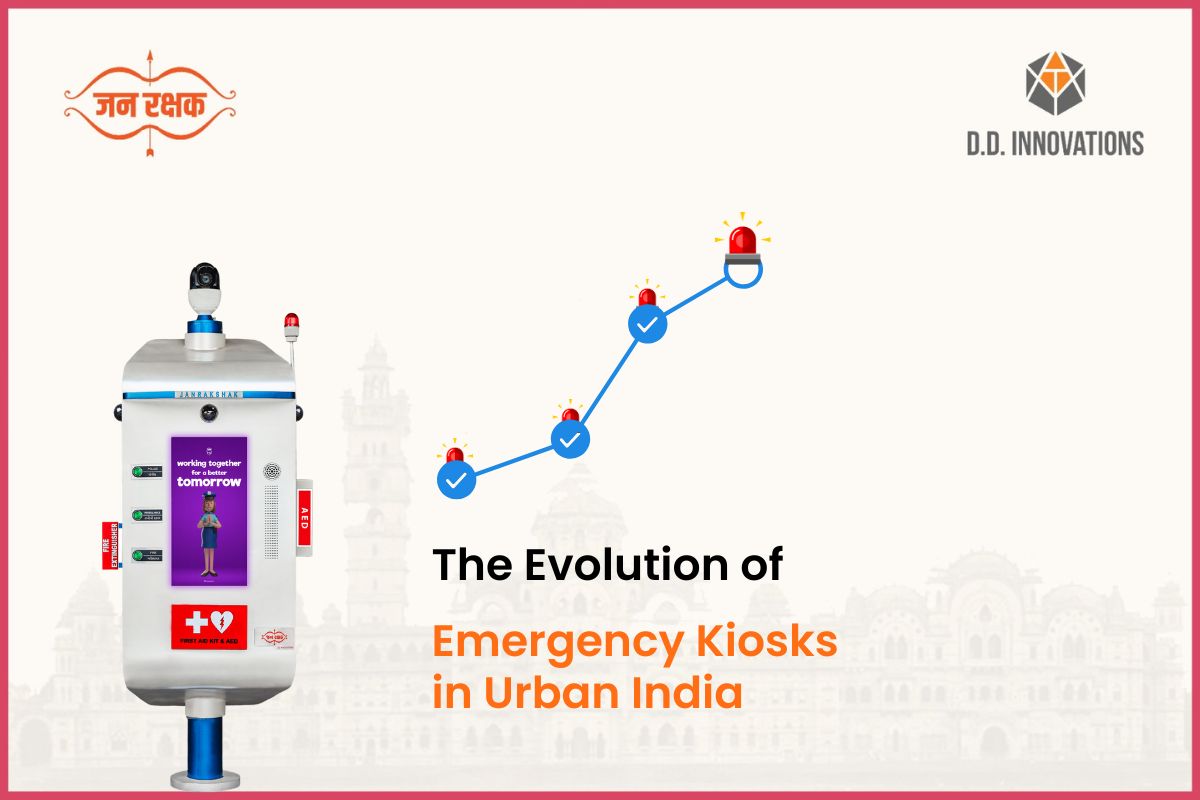
The government’s Smart Cities Mission accelerated the shift toward connected safety systems. Emergency kiosks soon became IoT-enabled, equipped with SOS buttons, CCTV cameras, GPS tracking, sirens, and automated alert systems.
These upgrades created a reliable communication bridge between citizens and authorities, raising India’s safety standards to global levels.

  1. Designed for every citizen

Modern kiosks are built with inclusivity in mind. Large buttons, clear instructions, voice guidance, and multilingual support make them accessible for people of all ages and abilities.
Built with rugged materials, solar-powered options, and vandal-resistant structures, they perform efficiently across Indian climates and terrain.

Innovative companies like Jan Rakshak are playing a key role in developing advanced kiosks suitable for high-traffic highways, busy city streets, tourist areas, and remote locations.

  1. Turning real-time data into smarter decisions

Today’s kiosks not only respond to emergencies but also collect valuable insights on incident patterns, high-risk zones, and response times.
This data helps authorities deploy teams more effectively, anticipate risks, and plan proactive safety measures that improve city management and reduce long-term emergencies.

The Future of Emergency Kiosks in India

The next generation of kiosks will be intelligent, connected, and fully automated. AI assistance, integrated apps, two-way audio, and live analytics will make them complete safety hubs across cities and towns. These features will help citizens access help more quickly and allow administrators to manage public safety more efficiently.

Building Safer Cities with Jan Rakshak

The rise of emergency kiosks reflects India’s broader movement toward smarter, citizen-first governance. These kiosks stand as silent protectors across public spaces, delivering help exactly when it is needed.

At Jan Rakshak, we are committed to strengthening this safety ecosystem. Our intelligent, durable, and responsive emergency kiosks are designed to support communities, save lives, and build safer, better-connected cities across India.