janrakshak

Categories
About Jan Rakshak Emergency Response Systems

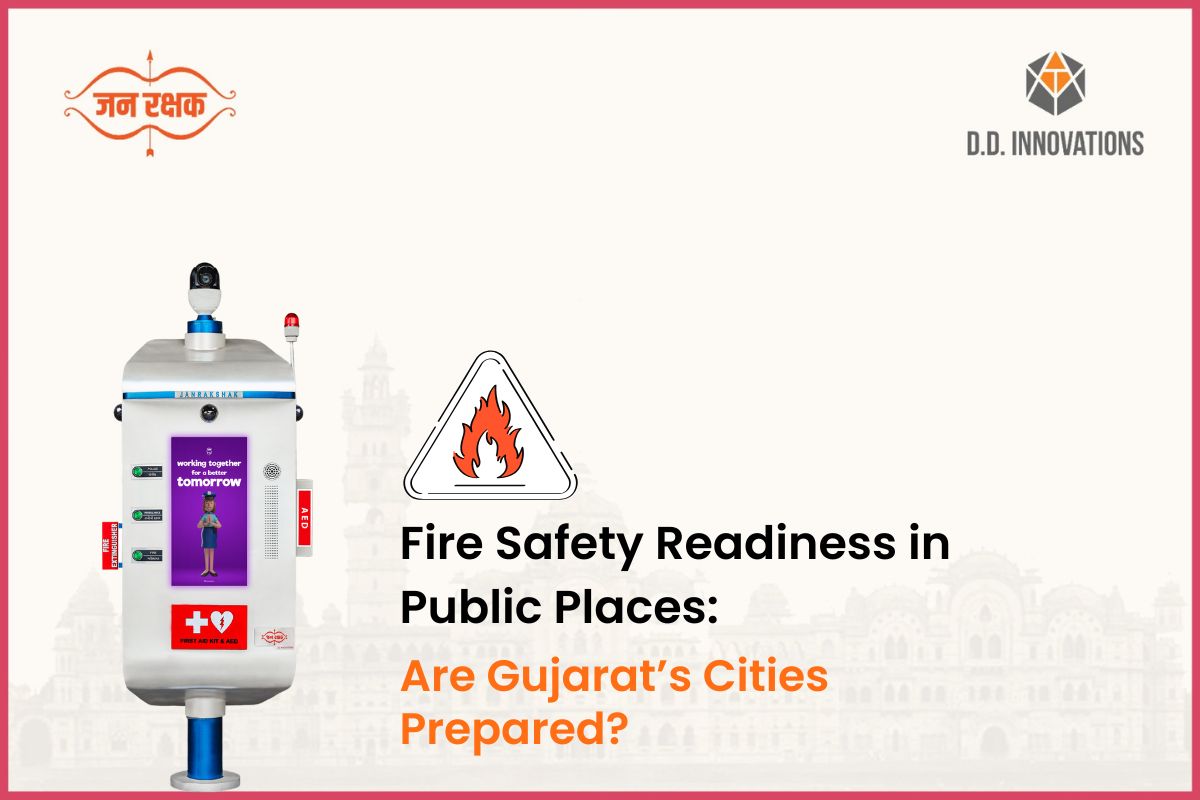
Fire Safety Readiness in Public Places: Are Gujarat’s Cities Prepared?

Gujarat’s rapid urban growth has transformed its cities into thriving commercial, industrial, and educational hubs. High-rise buildings, malls, IT parks, hospitals, and transport terminals now define the skylines of cities such as Ahmedabad, Surat, Vadodara, and Rajkot. But as infrastructure expands, one critical question remains: Is fire safety preparedness evolving at the same pace?

In emergencies, preparedness is not measured by equipment alone. It is measured by how quickly help can be activated. This is where the role of an Emergency safety device in Gujarat becomes crucial.

The Increasing Complexity of Fire Emergencies

Modern public spaces are more crowded and technologically dependent than ever before. Air conditioning systems, elevators, heavy electrical loads, kitchens in commercial complexes, and storage of flammable materials increase fire vulnerability.

Some common challenges include:

  • Delayed reporting of fire outbreaks
  • Panic during evacuation
  • Confusion about emergency contact numbers
  • Poor coordination between first responders
  • Lack of immediate alert systems in public zones

Even when fire departments are efficient, delays often occur at the reporting stage. Those first few minutes are critical in containing damage..

Many buildings rely on CCTV cameras and internal fire alarms. While these systems help detect incidents, they do not always ensure a rapid external response. CCTV cameras record events but do not directly alert fire authorities. Manual phone calls require clear communication, which may be difficult in a panic situation.

This gap between detection and direct response highlights the need for a more integrated solution. An Emergency safety device installed in public areas in Gujarat can bridge this gap by enabling an instant connection to fire services.

How Smart Emergency Devices Improve Fire Readiness

Modern public emergency systems, such as Jan Rakshak, are designed to provide immediate, one-touch access to emergency services.

The device features three direct emergency buttons:

  • 100 for Police
  • 101 for Fire Brigade
  • 108 for Ambulance

In the event of a fire, pressing the 101 button immediately connects the user to the fire control centres. This eliminates the need to search for numbers, explain routing, or navigate through call transfers.

The result is faster mobilisation of firefighting teams and improved chances of damage control.

Strengthening Safety in High-Footfall Areas

Public places that require enhanced fire safety preparedness include:

  • Shopping centres and multiplexes
  • Schools and colleges
  • Hospitals and healthcare facilities
  • Industrial estates
  • Public transport terminals
  • Government offices

Supporting Smart City Initiatives

Gujarat has been actively promoting smart city development. True smart infrastructure is not limited to digital connectivity or modern architecture. It also includes intelligent safety systems that respond in real time.

Emergency devices integrated into public infrastructure enhance overall crisis management capabilities. They reduce dependency on manual reporting and streamline coordination between citizens and emergency services.

By adopting advanced emergency systems, Gujarat’s cities can strengthen their position as not only economically advanced but also safety-conscious urban centres.

Creating Confidence Among Citizens

Visible safety infrastructure builds public confidence. When people see accessible emergency response units installed in public areas, they feel more secure.

For business owners and institutions, installing such systems demonstrates commitment to safety compliance and social responsibility. It reassures visitors, employees, and residents that emergency preparedness is taken seriously.

Preparing for the Future

As urban density increases and public spaces become more complex, fire risks may evolve. Proactive preparedness is the only sustainable approach.

An Emergency safety device in Gujarat is not just a technological addition. It is a preventive measure that enhances coordination, reduces response time, and protects lives.

Conclusion

Fire safety readiness is not defined by response after damage occurs. It is defined by the ability to act instantly when an emergency begins.

Gujarat has made remarkable progress in development, but strengthening fire preparedness through smart public safety systems is the next critical step. Integrating solutions like Jan Rakshak into public spaces can significantly enhance emergency response efficiency.

For institutions, municipalities, and businesses looking to upgrade their fire safety infrastructure, investing in modern emergency response systems is not just a compliance requirement. It is a responsibility toward protecting lives.

To explore how Jan Rakshak can enhance fire safety preparedness in your city, visit https://www.janrakshak.in/ and learn more about implementing advanced emergency solutions across Gujarat.
Categories
About Jan Rakshak Emergency Response Systems

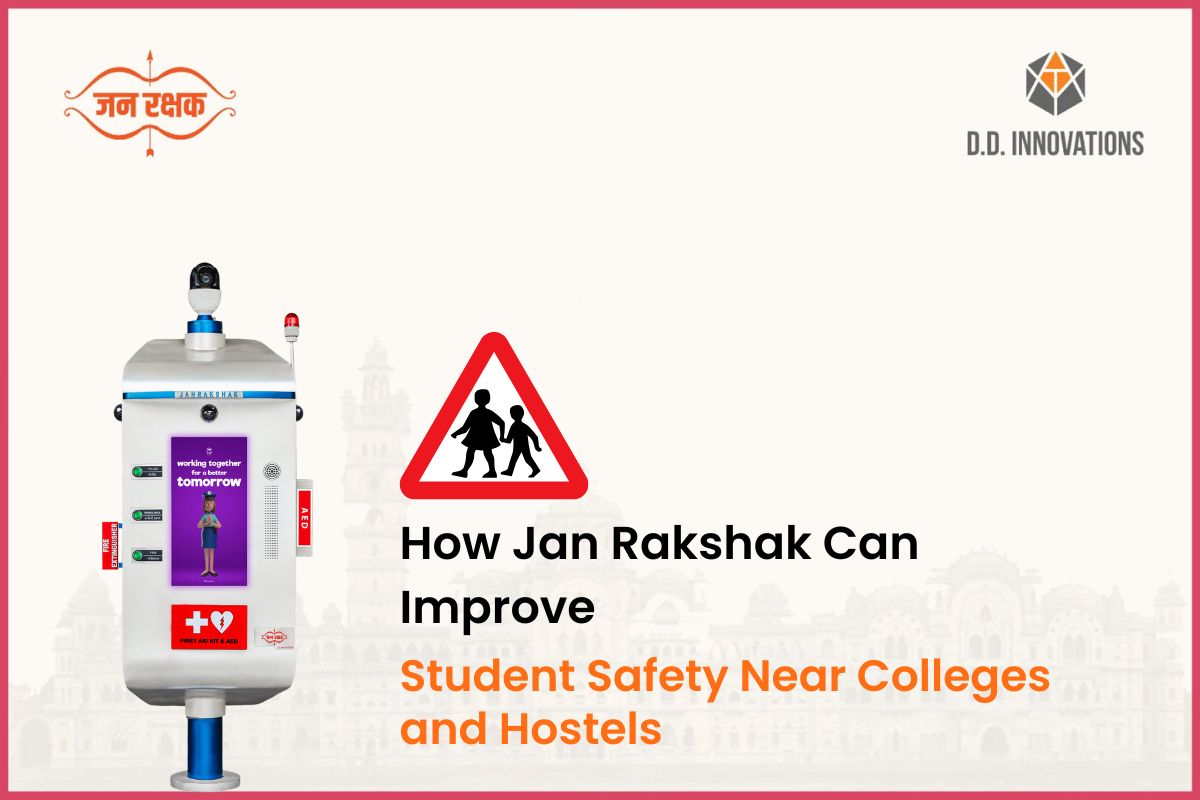
How Jan Rakshak Can Improve Student Safety Near Colleges and Hostels

Student life should be focused on education, growth, and new opportunities. However, concerns around safety near colleges and hostels continue to rise across India. Crowded public areas, late-night study routines, isolated hostel locations, and increasing urban risks make it essential to strengthen security infrastructure in educational zones.

In this scenario, installing a reliable safety device for public spaces is no longer a luxury. It has become a necessity. Jan Rakshak offers a smart, proactive solution designed to improve emergency response around campuses and hostels.

Understanding the Safety Challenges Around Colleges

Colleges and hostels face multiple safety risks daily. These include:

  • Late-night student movement
  • Medical emergencies inside hostels
  • Road accidents near campus gates
  • Fire incidents in buildings
  • Harassment or security threats in surrounding areas

In many cases, the biggest challenge is not the incident itself, but the delay in reporting it. Students under stress may struggle to dial emergency numbers, explain their location clearly, or contact the right department quickly.

Traditional systems, such as CCTV cameras, only record events. They do not provide immediate assistance. What educational institutions truly need is an active safety device for public areas that ensures instant response.

How Jan Rakshak Enhances Campus Safety

Jan Rakshak is designed as an integrated emergency response unit. When installed at strategic locations such as college entrances, hostel gates, parking areas, bus stops, and nearby public roads, it creates accessible emergency touchpoints for students.

Tri-Button Smart Emergency System

The device includes three dedicated emergency buttons:

  • 100 – Police
  • 101 – Fire Services
  • 108 – Ambulance

Instead of navigating through phone calls or searching for contact numbers, students can simply press the relevant button. The system connects directly to the relevant control centre, eliminating unnecessary delays.

This streamlined communication ensures faster response during critical situations.

Immediate Assistance During Emergencies

Whether it is a sudden medical emergency inside a hostel, a road accident near campus, or a fire outbreak, Jan Rakshak ensures that emergency services receive immediate alerts.

The system communicates essential information quickly and efficiently, reducing confusion and response time. In emergencies, every minute matters. A reliable safety device for public spaces helps bridge the gap between distress and rescue.

Empowering Students to Take Action

One of the most powerful aspects of Jan Rakshak is empowerment. It does not rely solely on security personnel. Any student, staff member, or passerby can activate the system during an emergency.

This creates a community-driven safety environment where:

  • Victims can seek help instantly
  • Friends can respond during emergencies
  • Bystanders can report unfolding dangers

By placing emergency response within reach, campuses become safer and more responsive.

Visible Deterrence Against Crime

The visible presence of emergency devices around campuses also acts as a deterrent. When offenders see clearly marked safety systems connected directly to authorities, the likelihood of misconduct decreases.

Installing Jan Rakshak demonstrates that student safety is a priority and that response systems are active and accessible.

Bridging the Safety Gap Around Hostels

Many hostels are located slightly away from main campuses or in semi-isolated areas. These zones often experience slower response times and limited monitoring.

Jan Rakshak addresses this gap by serving as an immediate point of contact for emergencies. Its simple design ensures ease of use for students, visitors, and staff alike, regardless of technical familiarity.

Supporting Institutional Responsibility

Educational institutions have a responsibility to provide a secure environment for students. Installing a reliable safety device in public spaces near colleges and hostels demonstrates a proactive commitment to student well-being.

It also enhances:

  • Parent confidence
  • Institutional reputation
  • Crisis preparedness
  • Compliance with safety standards

Modern campuses must integrate smart safety systems into their infrastructure planning.

The Future of Safer Educational Zones in India

As India continues to expand its educational infrastructure, safety solutions must evolve alongside it. Smart public emergency systems are becoming essential components of campus planning.

Jan Rakshak is not just a device. It is a complete emergency response solution designed for Indian conditions. It bridges the gap between panic and protection, ensuring help reaches students when they need it most.

Conclusion

Student safety should never depend on chance or delayed response. Whether facing a medical emergency, fire risk, or security threat, immediate access to help can save lives.

By installing Jan Rakshak, a trusted safety device for public spaces, colleges and hostels can create an environment where students feel secure, parents feel reassured, and institutions fulfil their duty of care.

To learn more about implementing Jan Rakshak near your campus, visit https://www.janrakshak.in/ and explore how smart safety solutions can transform student protection.

Categories
About Jan Rakshak Emergency Response Systems Features For Government Safe Vadodara Security System

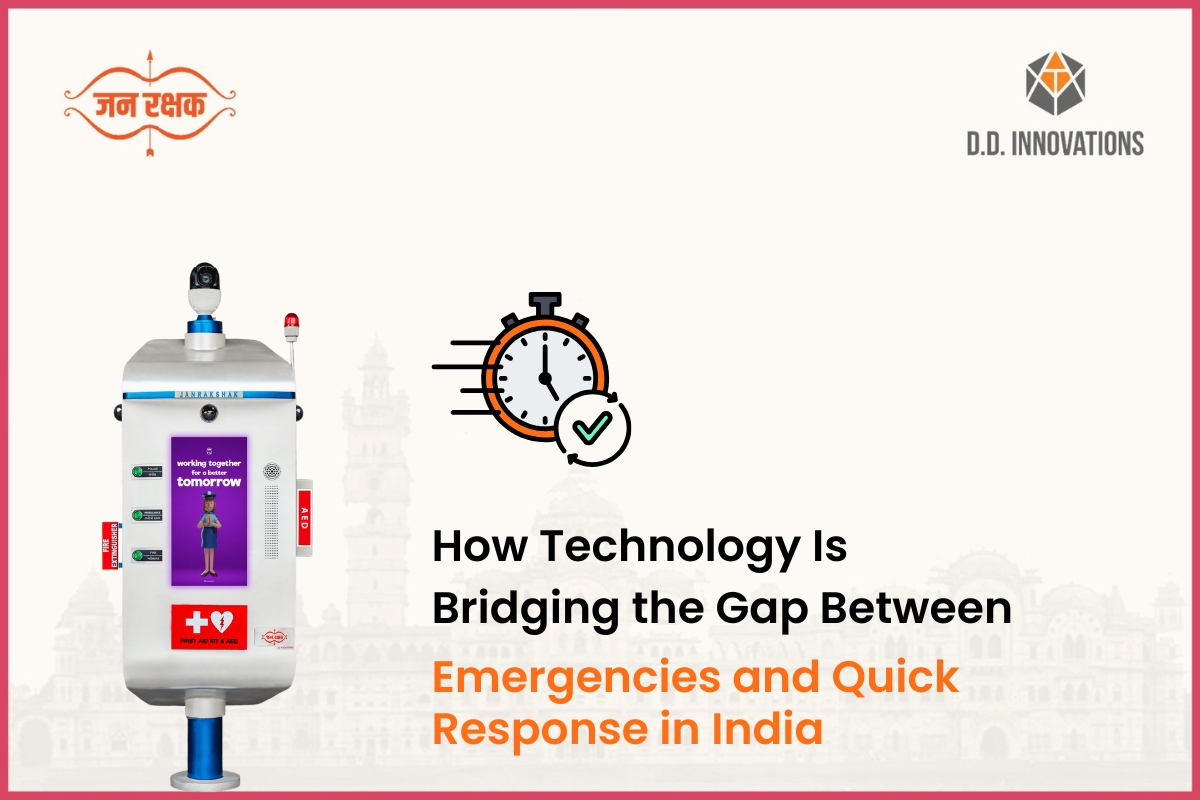
How Technology Is Bridging the Gap Between Emergencies and Quick Response in India

In a country as vast and diverse as India, emergency response has always been a complex challenge. From crowded urban streets to remote rural villages, emergencies such as medical crises, fires, accidents, and security threats can occur without warning. In such moments, the time taken for help to arrive can determine outcomes, often deciding between life and death.

Today, technology is transforming India’s emergency response ecosystem. Smart solutions like public emergency systems are reducing response times, improving coordination, and ensuring help reaches people when they need it the most.

The Critical Minutes That Define Outcomes

Emergencies rarely come with advance notice. A sudden cardiac arrest, a road accident, a fire outbreak, or a safety threat demands immediate action. Traditionally, people had to dial emergency numbers, explain their location, and describe the situation, a process that often consumed precious minutes.

In many cases, emergencies went unreported because people didn’t know whom to call or were too panicked to communicate clearly. These delays highlighted a critical gap between emergencies and effective response, especially in public spaces.

The Rise of Public Emergency Devices in India

The introduction of the public emergency device in India has been a game-changer. Designed for instant access and ease of use, these devices allow citizens to alert emergency services with a single action. Installed in public areas, residential complexes, campuses, and commercial zones, they eliminate confusion during high-stress situations.

Modern emergency systems like Jan Rakshak integrate multiple response mechanisms into one unit, enabling quick connection to police, ambulance, or fire services. Their simplicity ensures that anyone, children, elderly citizens, or people unfamiliar with technology, can use them effectively during emergencies.

Closing the Urban–Rural Safety Divide

One of India’s long-standing challenges has been ensuring equal access to emergency services across urban and rural regions. While cities benefit from infrastructure and connectivity, rural areas often face power and network limitations.

Technology-enabled public emergency devices are helping bridge this divide. Features such as low-power operation, solar compatibility, and minimal network dependency allow these systems to function even in areas with limited resources. As a result, citizens in remote villages can now access emergency support comparable to that in metropolitan areas.

Real-Time Monitoring and Smarter Response

Another major advancement is real-time monitoring. Emergency alerts generated through smart safety devices can be tracked instantly by control centres. This enables authorities to assess situations faster, deploy appropriate resources, and reduce response times.

Data collected from these systems also helps identify high-risk zones and recurring emergency patterns. With this insight, emergency services can plan more effectively, strategically position resources, and improve overall preparedness.

Empowering Vulnerable Communities

Technology has significantly improved safety for vulnerable groups. Elderly individuals benefit from simple push-button emergency systems. Women feel safer with visible panic assistance units in public spaces. Schools and institutions are better protected with emergency devices that can instantly alert authorities during threats.

By designing safety systems that prioritize accessibility, public emergency solutions ensure protection for everyone, not just the tech-savvy population.

Building a Culture of Preparedness

Beyond hardware, technology is fostering a culture of awareness and preparedness. Integrated systems encourage citizens to report emergencies they witness, creating a community-driven safety network. Educational features and awareness initiatives help people understand how to respond during crises, turning ordinary citizens into first responders.

The Road Ahead

India’s emergency response infrastructure continues to evolve, driven by digital initiatives and innovation-driven solutions. Smart public safety systems like Jan Rakshak are no longer optional; they are becoming essential components of modern infrastructure.

As these systems expand and integrate further, they form a silent yet powerful safety net across the nation. By bridging the gap between emergencies and response, technology is transforming moments of panic into organised, life-saving action, helping India move toward a safer, more resilient future.

Categories
About Jan Rakshak Emergency Response Systems Features For Government Inspiring Stories Public Safety Public safety and security device in India

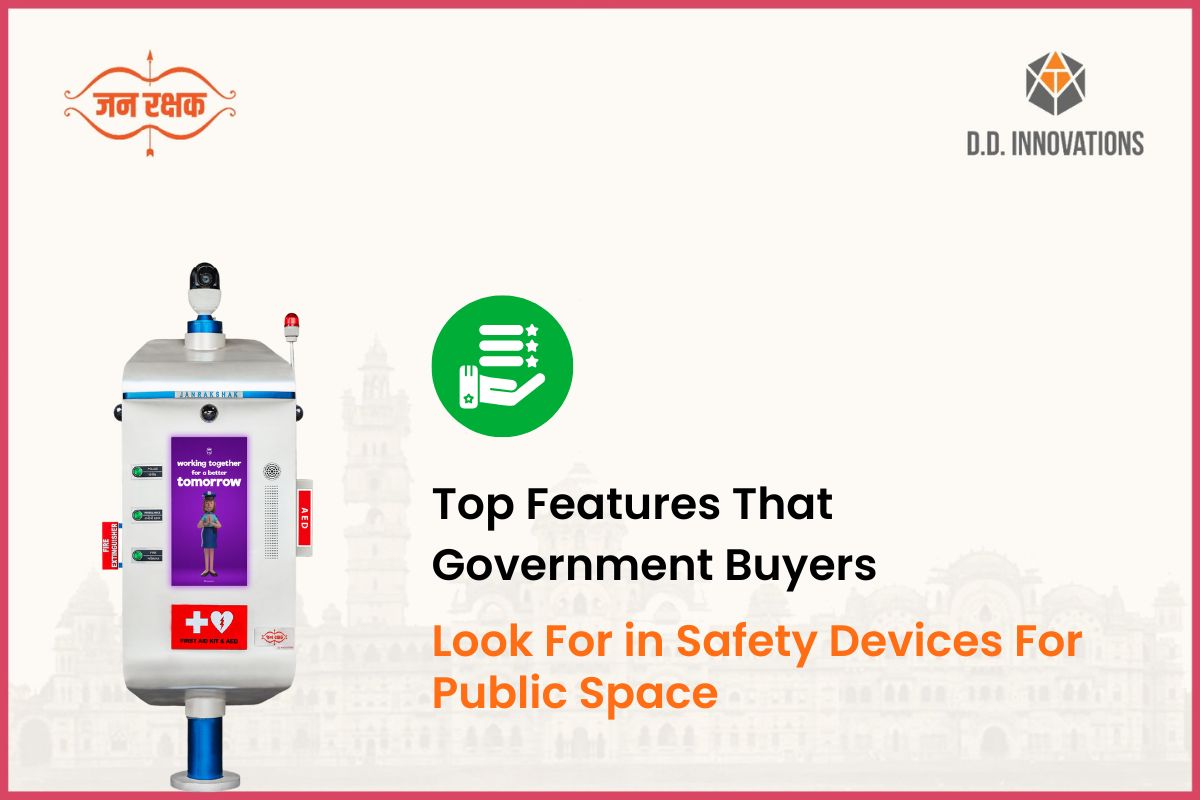
 Top Features That Government Buyers Look For in Safety Devices For Public Space

Public safety is a top priority for every government authority, whether at city intersections, highways, or tourist destinations. Investing in reliable safety devices for public spaces is not just about compliance; it’s about building safer, smarter, and more responsive communities. When government departments evaluate such technologies, they focus on innovation, reliability, and measurable impact on citizen safety.

Below are the top features that most government buyers consider essential when choosing safety devices for their communities.

1. Instant Communication During Emergencies

In an emergency, every second counts. Devices equipped with one-touch emergency alerts, panic buttons, and two-way communication channels are highly preferred. They enable citizens to instantly connect with control rooms, police stations, or medical response teams, ensuring help reaches faster and lives are saved.

2. Durability and Weather Resistance

Public spaces are constantly exposed to harsh conditions, including heat, rain, dust, and continuous public use. Government agencies seek equipment built with industrial-grade materials, anti-corrosion coatings, and vandal-resistant construction to ensure long-term reliability and functionality.

Safety installations, such as Jan Rakshak kiosks, are engineered to withstand extreme outdoor conditions while maintaining year-round operational efficiency.

3. Power Autonomy, Connectivity, and Smart Energy Management

Governments increasingly prefer self-sustaining systems that operate seamlessly, even during power outages. Solar-powered or battery-backed devices ensure uninterrupted functionality in both urban and off-grid areas. Connectivity through GSM, 4G/5G, or IoT networks enables real-time data sharing with central monitoring systems, an essential feature for smart-city integration.

Energy-efficient components and low-maintenance design further reduce operational costs for municipalities and local bodies, supporting sustainability goals.

4. Accessibility and Inclusiveness

A safety device must serve every citizen, regardless of age, language, or ability. Multilingual voice prompts, tactile buttons, and clear visual indicators make devices user-friendly and inclusive. Accessibility is not just a feature; it reflects a commitment to equality and community care.

5. Integration With Existing Infrastructure

Governments prefer devices that integrate smoothly with existing city systems. Compatibility with CCTV surveillance, emergency helplines, and disaster-management networks ensures unified coordination during critical events. Seamless integration also allows faster deployment and reduces infrastructure costs.

6. Reliable Support and Maintenance

Beyond installation, continuous performance is key. Devices backed by reliable after-sales service, periodic software updates, and quick technical support are highly valued. Long-term maintenance contracts and warranty coverage build trust and ensure consistent uptime in public infrastructure.

Empowering Safer Communities With Smart Innovation

As India’s cities and towns transition to smarter, more connected infrastructure, the demand for intelligent, durable, and responsive safety systems continues to increase.

At Jan Rakshak, we design advanced safety devices for public spaces that combine emergency response, rugged construction, and intelligent monitoring, ensuring every citizen feels protected wherever they are. From highways to urban hubs, Jan Rakshak kiosks stand as silent guardians of public safety.

Categories
Public safety and security device in India

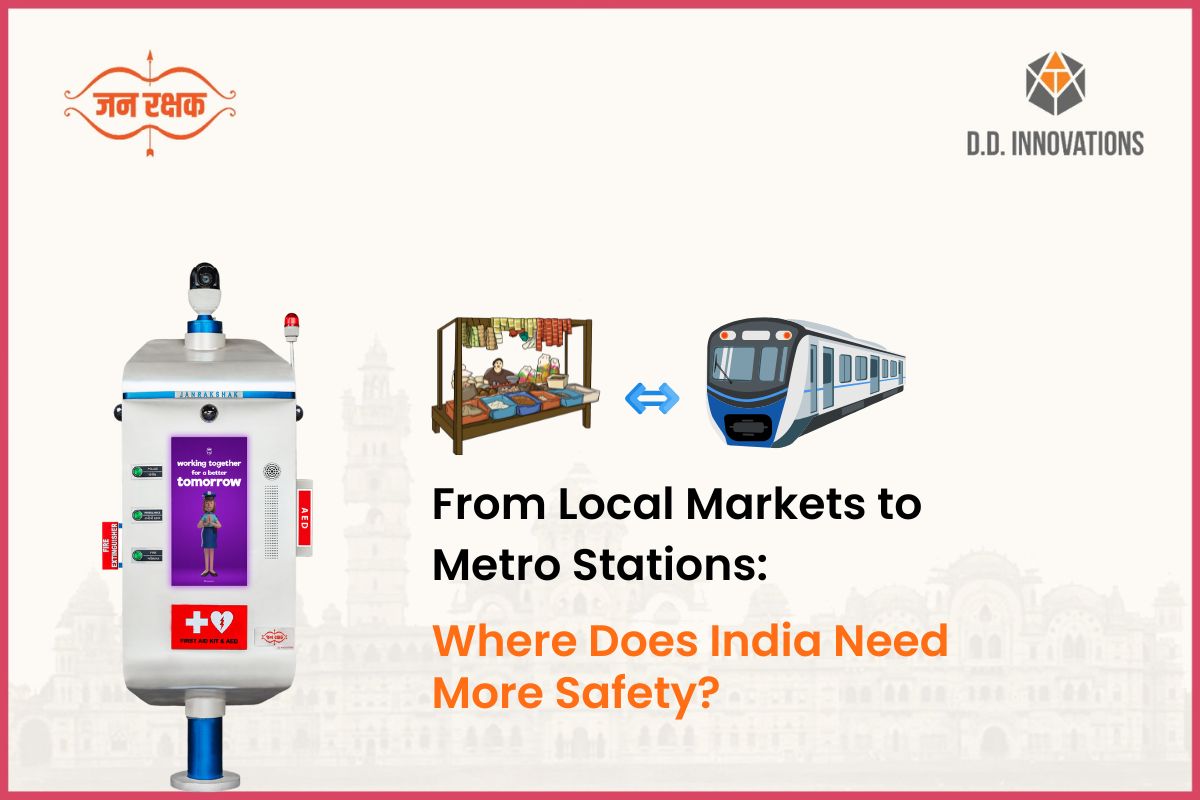
From Local Markets to Metro Stations: Where Does India Need More Safety?

India’s cities are growing, buzzing with life from morning till midnight. From families strolling in public parks to college students at metro stations, and tourists capturing memories at monuments, every corner of our cities sees constant movement. But with this growth comes an important question: Are our public spaces truly safe for everyone?

While much is spoken about road safety, the bigger picture of urban public safety often gets overlooked.

The Real Public Safety Gaps in Urban India

Public safety goes beyond accident prevention. It includes:

  • Quick medical help during emergencies
  • Assistance for women and children facing harassment
  • Lost-and-found support for senior citizens and kids
  • Fire response in crowded areas
  • Managing crowd surges at events or festivals

The National Crime Records Bureau shows rising cases of public harassment, petty crimes, and unattended medical emergencies in city areas. Many of these incidents happen in places where help is either too far or too late.

High-Risk Areas That Need Smarter Safety

Here are the types of locations where safety gaps are most visible:

  • Overcrowded, dimly lit areas with limited security
  • Increased chances of pickpocketing or altercations
  • Food cart fires or cylinder leaks that need immediate response
  • Students walk home late at night, sometimes alone
  • Vulnerable to stalking or street fights
  • Few immediate safety resources are available nearby
  • Tourists are often unaware of local support services
  • Language barriers or unfamiliarity can delay emergency response
  • Increased risk of theft or children getting separated from parents
  • High foot traffic, especially during celebrations
  • Need for crowd control and emergency access
  • Sudden medical issues among the elderly or children
  • Platforms, waiting areas, and bus terminals see lakhs of people daily
  • Safety concerns include eve-teasing, sudden collapses, or fainting due to heat
  • Help desks are often limited or not visible during peak hours

These areas do not just need guards or CCTV cameras. They require a system that empowers citizens to act instantly.

What Public Safety Should Look Like Today

A modern public safety device in India must:

  • Be accessible to everyone without training
  • Act as a bridge between citizens and emergency response teams
  • Offer help across different types of emergencies, not just one
  • Blend seamlessly into public infrastructure while being easy to notice and use

Jan Rakshak is not just a roadside box. It is a multi-functional public safety unit designed to be the first response point for any situation in crowded areas.

  • Emergency alert buttons for police, ambulance, and fire
  • AED machine and first aid kit for medical situations
  • Fire extinguisher for small local fires
  • Loud siren, red-blue lights, and a public announcement speaker for alerts
  • CCTV monitoring and direct connection to command centers
  • Digital display for awareness messages

It is compact enough for sidewalks and chowks, yet powerful enough to support entire communities.

India does not just need more CCTV cameras or more guards. It needs smarter, people-first solutions.

The public safety device in India must be present where people need it the most. A child lost near a temple, a woman feeling unsafe while walking home, or a sudden health emergency at a park, these are the moments when a Jan Rakshak nearby can make all the difference.

Let us stop waiting for help to arrive from afar. Let’s bring help to where people already are.

Install. Empower. Protect.
Jan Rakshak is how we bring safety to our streets, our communities, and our everyday lives.

Categories
Public safety and security device in India

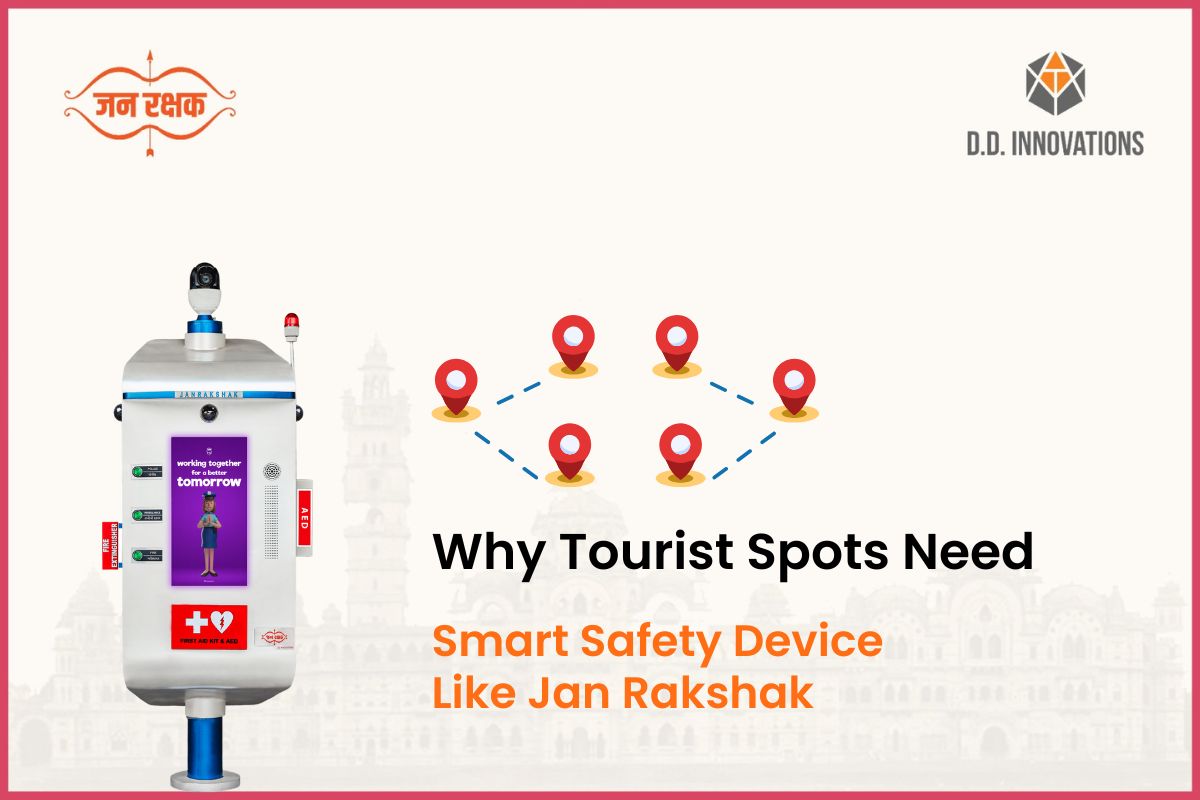
Why Tourist Spots Need Smart Safety Device Like Jan Rakshak

India is home to countless vibrant tourist destinations, from iconic heritage monuments and bustling marketplaces to serene temples and scenic parks. Every day, thousands of people from across the world visit these places to explore the country’s culture and beauty. But with the growing footfall comes a greater responsibility: ensuring safety, especially during emergencies.

In such high-traffic and high-risk environments, a smart solution like Jan Rakshak becomes not just helpful but essential.

The Reality of Public Spaces

Tourist places are not just for sightseeing or photography. They are dynamic public zones that come with unique safety challenges. Unexpected incidents such as medical emergencies, theft, harassment, or even fire hazards can escalate quickly if immediate help is unavailable.

Unlike shopping malls or airports, many public tourist areas still lack organized systems for real-time emergency support. This is where Jan Rakshak fits perfectly. It acts as a user-friendly safety point in the middle of the crowd.

Designed for Everyone

Jan Rakshak is designed to be extremely simple to use. It requires no app download, no internet, and no special training. Anyone, whether a child, a senior citizen, or a tourist, can walk up and press a button for help.

The device includes three emergency buttons:

  • Police
  • Ambulance
  • Fire

Additional features include:

  • CCTV camera for live monitoring
  • Public announcement speaker
  • AED machine for cardiac emergencies
  • First aid kit and fire extinguisher
  • Digital display for public awareness messaging

This all-in-one unit ensures that help is never out of reach, even in crowded or remote areas.

Why Tourists Need Extra Protection

Tourists are often unaware of local emergency contacts and may not understand the language or area. In a stressful moment, this lack of familiarity can be dangerous.

Jan Rakshak acts as a public safety anchor in such situations. With visual emergency buttons, loud alerts, and simple instructions, it helps anyone take action without delay. For tourists who feel lost, unsafe, or unwell, it is a trusted point to reach out for help.

Moreover, the very presence of Jan Rakshak acts as a deterrent. It can reduce instances of harassment or misconduct, especially in open spaces with little supervision.

A Step Toward Smarter Cities

Jan Rakshak is not just a device. It connects to a centralized command control dashboard that monitors real-time incidents and camera footage. For cities and municipalities focusing on tourism and safety, this brings in a new level of visibility and responsiveness.

While most people think of safety as needing more guards or police, smart cities are turning toward technology. Jan Rakshak is an innovative example of a public safety and security device in India that works without needing a dedicated building or on-site personnel.

It is modular, solar-powered, weatherproof, and works reliably in outdoor environments. This makes it ideal for roadsides, temple entrances, parks, and historical sites.

Building Trust with Tourists

Tourism flourishes when visitors feel safe. Whether it is a family outing or a solo traveler’s exploration, a visible emergency device builds confidence. Jan Rakshak silently sends a message: “You are protected here.”

That sense of trust improves visitor experience and strengthens the image of the location. Cities that install such systems show leadership in safety and public service.

They also help set a national standard for public safety and security device in India, creating infrastructure that is not just functional but also reassuring.

Conclusion

Tourist places are our pride. They reflect culture, heritage, and community. Devices like Jan Rakshak ensure that these places remain safe for everyone. They provide fast emergency access, encourage responsible public behavior, and support authorities with real-time data.

By installing smart, accessible devices like Jan Rakshak, we not only enhance public safety but also protect the value and reputation of our tourism destinations.

Safety should never be an afterthought. With Jan Rakshak, it becomes a visible, reliable part of the journey.