
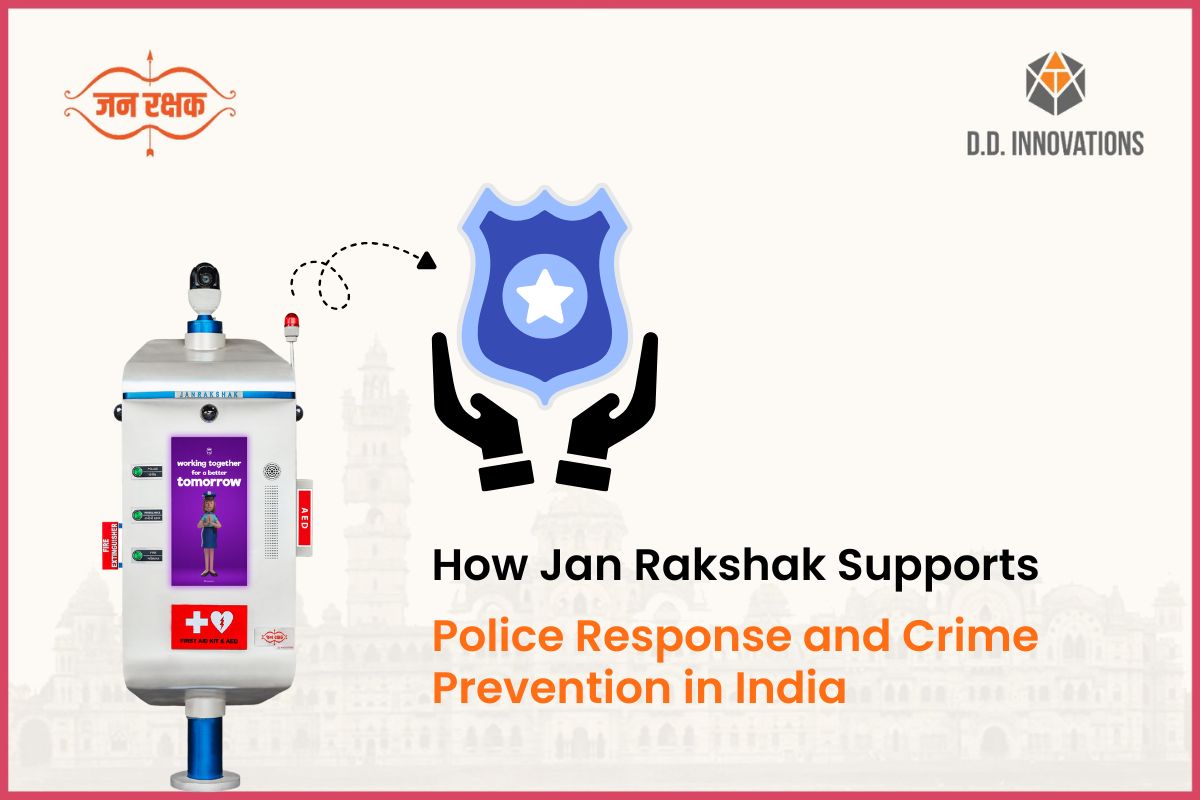
Crime prevention in India has moved beyond traditional policing methods such as routine patrols and post incident investigations. With rapid urban growth, expanding highways, increased tourism, and higher public movement, law enforcement agencies face constant pressure to respond faster and more effectively.
In emergencies, time is critical. Even a short delay in reporting or reaching an incident location can allow situations to escalate, offenders to escape, or injuries to worsen. This is where Jan Rakshak plays a crucial role by strengthening the connection between citizens and police through a dependable public emergency response system.
Why Quick Response Is Critical for Crime Prevention
In most criminal incidents, the first few minutes determine the outcome. Delayed police response can lead to:
- Escalation of violence
- Loss of crucial evidence
- Criminals fleeing the scene
- Increased risk to victims and bystanders
Traditional reporting methods often rely on mobile phones, emergency numbers, or bystanders. During panic situations, accidents, or assaults, victims may be injured, disoriented, or unable to communicate clearly.
Effective crime prevention in India requires systems that reduce response time and deliver accurate, real time information to police teams. Jan Rakshak addresses this gap by offering instant emergency activation in public spaces without technical complexity.
How Jan Rakshak Improves Police Efficiency
Jan Rakshak systems are strategically installed at high risk and high movement locations such as:
- National and state highways
- Tourist routes and destinations
- Accident prone road stretches
- Crowded transit corridors
- Isolated public areas
When activated, the system immediately sends an alert to the nearest police control room and emergency response teams. Each alert includes precise location data, eliminating delays caused by unclear directions or incomplete information.
This enables police units to reach the site faster, manage situations efficiently, and reduce the chances of offenders escaping. By minimizing dependence on phone calls and manual reporting, Jan Rakshak ensures uninterrupted access to emergency support even when victims are under stress or unable to communicate verbally.
Jan Rakshak’s Role in Preventing Crimes
Visible safety infrastructure acts as a strong deterrent to criminal activity. When public areas are equipped with emergency response systems, potential offenders are less likely to act due to the risk of immediate reporting and police intervention.
Jan Rakshak supports crime prevention in India by creating safer environments in vulnerable zones such as:
- Lonely road stretches
- Late night travel routes
- Tourist heavy locations
- Public spaces with limited surveillance
Faster reporting allows police to secure crime scenes quickly, collect timely evidence, and prevent repeat incidents in the same areas. Over time, this strengthens patrol planning, surveillance strategies, and overall public safety measures.
Empowering Citizens to Participate in Public Safety
Modern crime prevention depends on citizen participation. Jan Rakshak empowers people by providing a simple, reliable way to seek help without fear, confusion, or technical barriers.
The system is accessible to everyone, including those unfamiliar with emergency numbers, mobile apps, or digital tools. With a single action, citizens can alert authorities and receive immediate assistance.
For police departments, Jan Rakshak acts as a force multiplier. It improves response capacity without increasing manpower, optimizes resource deployment, and strengthens trust between communities and law enforcement agencies.
Impact on Public Safety and Community Confidence
When people feel safe in public spaces, confidence grows. Secure highways, safer tourist routes, and accessible emergency systems encourage economic activity, travel, and social mobility.
Jan Rakshak contributes to crime prevention in India by supporting a structured, technology driven safety network that aligns with modern policing needs. It complements existing police systems rather than replacing them, making it scalable and practical for diverse regions across the country.
Conclusion
Crime prevention in India requires proactive solutions that enable faster police response and empower citizens during emergencies. Jan Rakshak strengthens public safety by delivering instant alerts, accurate location data, and reliable support to law enforcement agencies.
By combining technology, accessibility, and visible safety infrastructure, Jan Rakshak plays a key role in preventing crimes, improving police efficiency, and building safer communities nationwide. As public safety challenges continue to evolve, technology enabled systems like Jan Rakshak will become increasingly essential to India’s safety planning and infrastructure.