
janrakshak

Categories
About Jan Rakshak Emergency Response Systems Features For Government Safe Vadodara Security System

How Technology Is Bridging the Gap Between Emergencies and Quick Response in India

In a country as vast and diverse as India, emergency response has always been a complex challenge. From crowded urban streets to remote rural villages, emergencies such as medical crises, fires, accidents, and security threats can occur without warning. In such moments, the time taken for help to arrive can determine outcomes, often deciding between life and death.

Today, technology is transforming India’s emergency response ecosystem. Smart solutions like public emergency systems are reducing response times, improving coordination, and ensuring help reaches people when they need it the most.

The Critical Minutes That Define Outcomes

Emergencies rarely come with advance notice. A sudden cardiac arrest, a road accident, a fire outbreak, or a safety threat demands immediate action. Traditionally, people had to dial emergency numbers, explain their location, and describe the situation, a process that often consumed precious minutes.

In many cases, emergencies went unreported because people didn’t know whom to call or were too panicked to communicate clearly. These delays highlighted a critical gap between emergencies and effective response, especially in public spaces.

The Rise of Public Emergency Devices in India

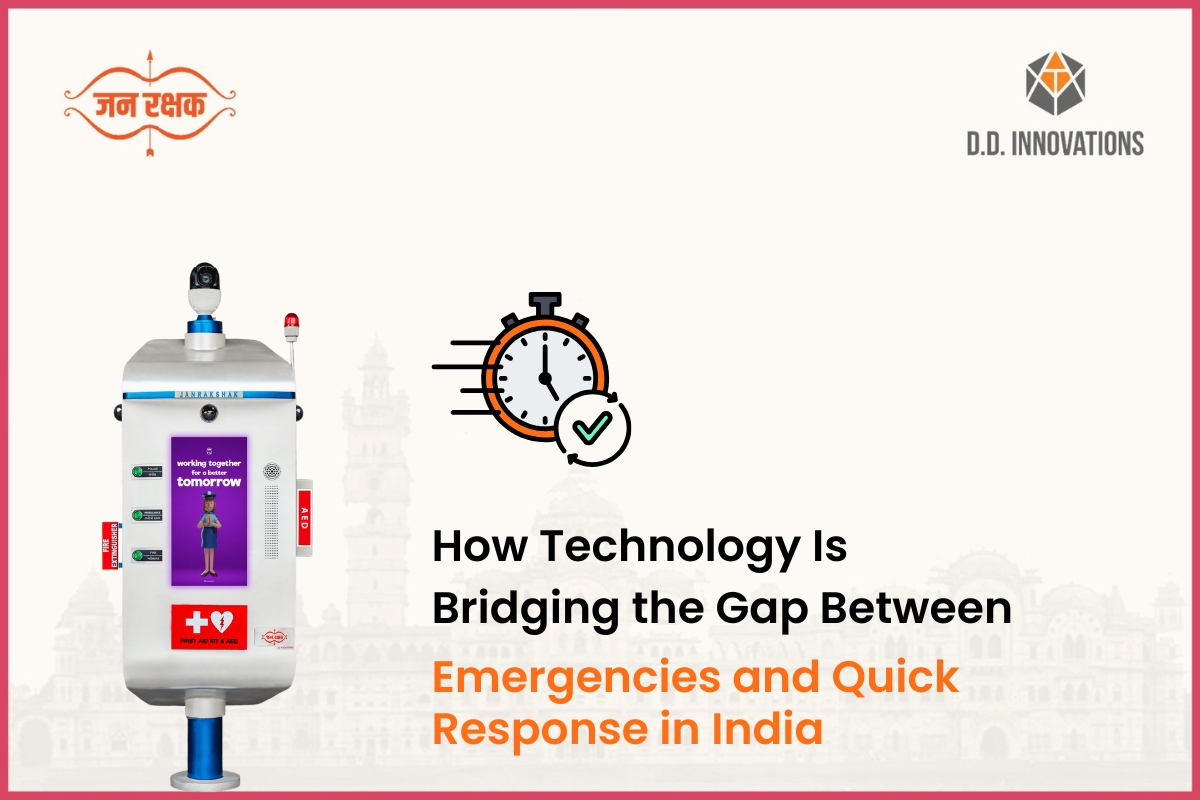
The introduction of the public emergency device in India has been a game-changer. Designed for instant access and ease of use, these devices allow citizens to alert emergency services with a single action. Installed in public areas, residential complexes, campuses, and commercial zones, they eliminate confusion during high-stress situations.

Modern emergency systems like Jan Rakshak integrate multiple response mechanisms into one unit, enabling quick connection to police, ambulance, or fire services. Their simplicity ensures that anyone, children, elderly citizens, or people unfamiliar with technology, can use them effectively during emergencies.

Closing the Urban–Rural Safety Divide

One of India’s long-standing challenges has been ensuring equal access to emergency services across urban and rural regions. While cities benefit from infrastructure and connectivity, rural areas often face power and network limitations.

Technology-enabled public emergency devices are helping bridge this divide. Features such as low-power operation, solar compatibility, and minimal network dependency allow these systems to function even in areas with limited resources. As a result, citizens in remote villages can now access emergency support comparable to that in metropolitan areas.

Real-Time Monitoring and Smarter Response

Another major advancement is real-time monitoring. Emergency alerts generated through smart safety devices can be tracked instantly by control centres. This enables authorities to assess situations faster, deploy appropriate resources, and reduce response times.

Data collected from these systems also helps identify high-risk zones and recurring emergency patterns. With this insight, emergency services can plan more effectively, strategically position resources, and improve overall preparedness.

Empowering Vulnerable Communities

Technology has significantly improved safety for vulnerable groups. Elderly individuals benefit from simple push-button emergency systems. Women feel safer with visible panic assistance units in public spaces. Schools and institutions are better protected with emergency devices that can instantly alert authorities during threats.

By designing safety systems that prioritize accessibility, public emergency solutions ensure protection for everyone, not just the tech-savvy population.

Building a Culture of Preparedness

Beyond hardware, technology is fostering a culture of awareness and preparedness. Integrated systems encourage citizens to report emergencies they witness, creating a community-driven safety network. Educational features and awareness initiatives help people understand how to respond during crises, turning ordinary citizens into first responders.

The Road Ahead

India’s emergency response infrastructure continues to evolve, driven by digital initiatives and innovation-driven solutions. Smart public safety systems like Jan Rakshak are no longer optional; they are becoming essential components of modern infrastructure.

As these systems expand and integrate further, they form a silent yet powerful safety net across the nation. By bridging the gap between emergencies and response, technology is transforming moments of panic into organised, life-saving action, helping India move toward a safer, more resilient future.
Categories
Road Safety Safe Vadodara Safety and Security Security System Security System for Public Safety in India

How Jan Rakshak Supports Police Response and Crime Prevention in India

Crime prevention in India has moved beyond traditional policing methods such as routine patrols and post incident investigations. With rapid urban growth, expanding highways, increased tourism, and higher public movement, law enforcement agencies face constant pressure to respond faster and more effectively.

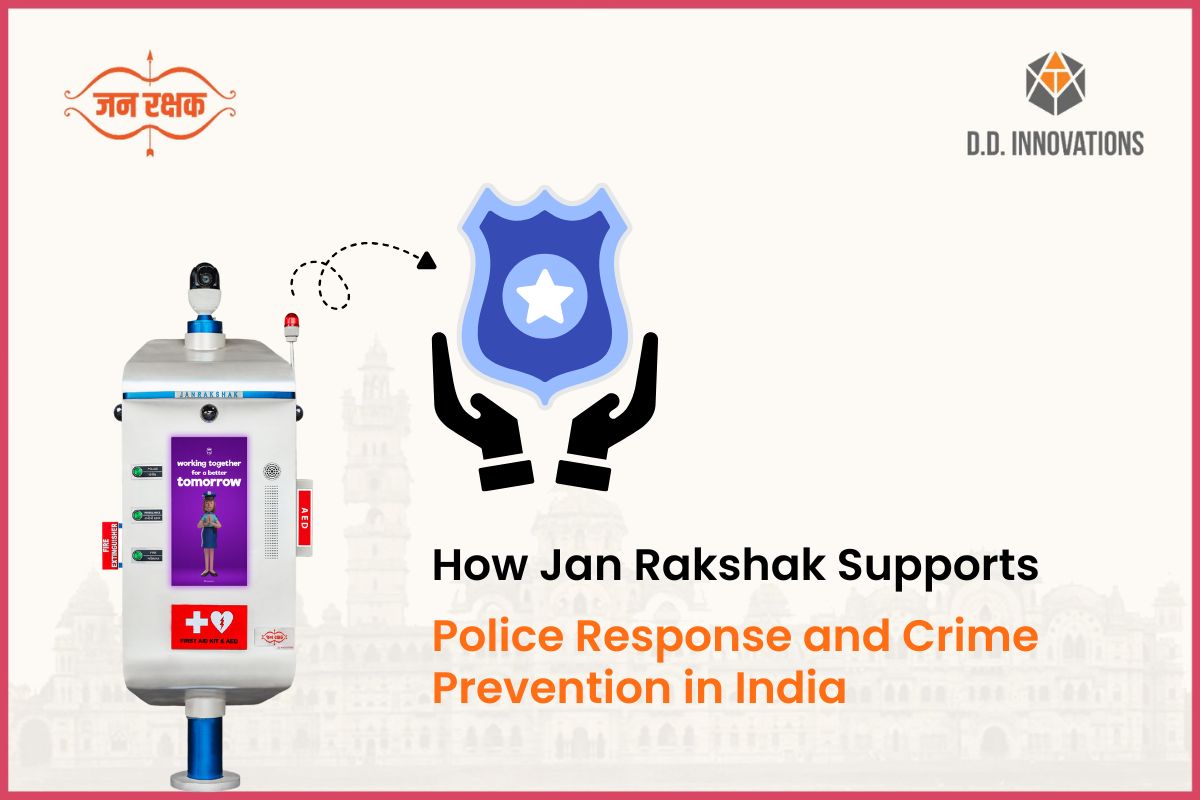
In emergencies, time is critical. Even a short delay in reporting or reaching an incident location can allow situations to escalate, offenders to escape, or injuries to worsen. This is where Jan Rakshak plays a crucial role by strengthening the connection between citizens and police through a dependable public emergency response system.

Why Quick Response Is Critical for Crime Prevention

In most criminal incidents, the first few minutes determine the outcome. Delayed police response can lead to:

  • Escalation of violence
  • Loss of crucial evidence
  • Criminals fleeing the scene
  • Increased risk to victims and bystanders

Traditional reporting methods often rely on mobile phones, emergency numbers, or bystanders. During panic situations, accidents, or assaults, victims may be injured, disoriented, or unable to communicate clearly.

Effective crime prevention in India requires systems that reduce response time and deliver accurate, real time information to police teams. Jan Rakshak addresses this gap by offering instant emergency activation in public spaces without technical complexity.

How Jan Rakshak Improves Police Efficiency

Jan Rakshak systems are strategically installed at high risk and high movement locations such as:

  • National and state highways
  • Tourist routes and destinations
  • Accident prone road stretches
  • Crowded transit corridors
  • Isolated public areas

When activated, the system immediately sends an alert to the nearest police control room and emergency response teams. Each alert includes precise location data, eliminating delays caused by unclear directions or incomplete information.

This enables police units to reach the site faster, manage situations efficiently, and reduce the chances of offenders escaping. By minimizing dependence on phone calls and manual reporting, Jan Rakshak ensures uninterrupted access to emergency support even when victims are under stress or unable to communicate verbally.

Jan Rakshak’s Role in Preventing Crimes

Visible safety infrastructure acts as a strong deterrent to criminal activity. When public areas are equipped with emergency response systems, potential offenders are less likely to act due to the risk of immediate reporting and police intervention.

Jan Rakshak supports crime prevention in India by creating safer environments in vulnerable zones such as:

  • Lonely road stretches
  • Late night travel routes
  • Tourist heavy locations
  • Public spaces with limited surveillance

Faster reporting allows police to secure crime scenes quickly, collect timely evidence, and prevent repeat incidents in the same areas. Over time, this strengthens patrol planning, surveillance strategies, and overall public safety measures.

Empowering Citizens to Participate in Public Safety

Modern crime prevention depends on citizen participation. Jan Rakshak empowers people by providing a simple, reliable way to seek help without fear, confusion, or technical barriers.

The system is accessible to everyone, including those unfamiliar with emergency numbers, mobile apps, or digital tools. With a single action, citizens can alert authorities and receive immediate assistance.

For police departments, Jan Rakshak acts as a force multiplier. It improves response capacity without increasing manpower, optimizes resource deployment, and strengthens trust between communities and law enforcement agencies.

Impact on Public Safety and Community Confidence

When people feel safe in public spaces, confidence grows. Secure highways, safer tourist routes, and accessible emergency systems encourage economic activity, travel, and social mobility.

Jan Rakshak contributes to crime prevention in India by supporting a structured, technology driven safety network that aligns with modern policing needs. It complements existing police systems rather than replacing them, making it scalable and practical for diverse regions across the country.

Conclusion

Crime prevention in India requires proactive solutions that enable faster police response and empower citizens during emergencies. Jan Rakshak strengthens public safety by delivering instant alerts, accurate location data, and reliable support to law enforcement agencies.

By combining technology, accessibility, and visible safety infrastructure, Jan Rakshak plays a key role in preventing crimes, improving police efficiency, and building safer communities nationwide. As public safety challenges continue to evolve, technology enabled systems like Jan Rakshak will become increasingly essential to India’s safety planning and infrastructure.

Categories
Security System

Best Security System in Gujarat by DD Innovations for Smart Public Safety

In today’s fast-changing world, public safety needs more than just patrols and cameras. It requires quick response, public access, and smart technology that empowers people in real-time situations. Gujarat, a state known for its modern infrastructure and rapid urban growth, is embracing this shift with some of the best security system in Gujarat, designed to meet modern-day challenges. The result? Safer cities, faster emergency responses, and smarter solutions.

A modern security system isn’t just about monitoring. It’s about helping people take action before professional help arrives. From medical incidents to personal safety concerns, a smart system can make all the difference.

Why Public Spaces Need Smarter Safety Systems

In busy areas like bus stations, parks, and markets, emergencies can happen anytime and often, help isn’t immediately available. That’s why public access to emergency devices is so important.

The most effective systems provide:

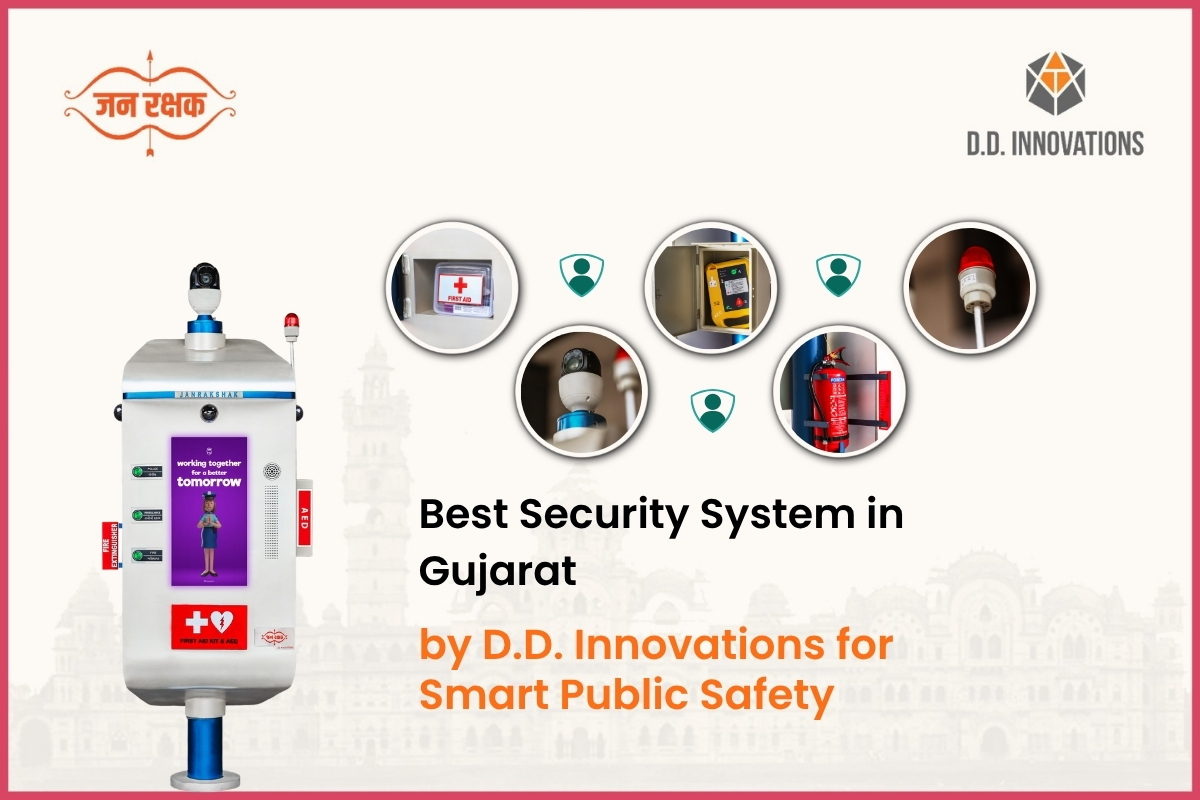
  • SOS alert buttons to contact help instantly
  • CCTV monitoring to observe and record activity
  • First aid and fire response tools for immediate use
  • Automated External Defibrillators (AEDs) for heart-related emergencies
  • Two-way audio support to guide users during a crisis
  • Solar and battery backup for 24/7 reliability

These systems work best when placed in high-traffic areas and connected to a control center for quick response.

What Makes It the Best Security System in Gujarat?

A top-tier system isn’t just high-tech, it’s practical, easy to use, and built for real people. What sets the best security system in Gujarat apart is:

  • Public-first design: Built to be used by anyone, not just officials
  • Multi-emergency use: Helps in health issues, fire, or public safety threats
  • Reliable alerts: Instant connection with emergency services
  • Real-world impact: Reduces panic, saves time, and saves lives

It’s not about doing everything – it’s about doing the right things quickly and effectively.

Smart Safety Benefits for Communities

With these systems in place, both citizens and local authorities benefit:

  • Faster emergency responses with precise GPS data
  • Improved planning through data analytics on safety trends
  • Higher public trust in safety infrastructure
  • Better city image with visible safety tools in place

As a result, communities feel safer, more confident, and better prepared to handle unexpected situations visit Jan Rakshak.